Siser Vinyl Heat Guide: A Comprehensive Overview (Updated 01/22/2026)
This guide provides detailed instructions for utilizing Siser heat transfer vinyl, covering cut settings for various machines and optimal heat press techniques.
Understanding temperature, pressure, and peel methods is crucial for achieving durable and professional-looking results with Siser HTV on diverse fabrics.
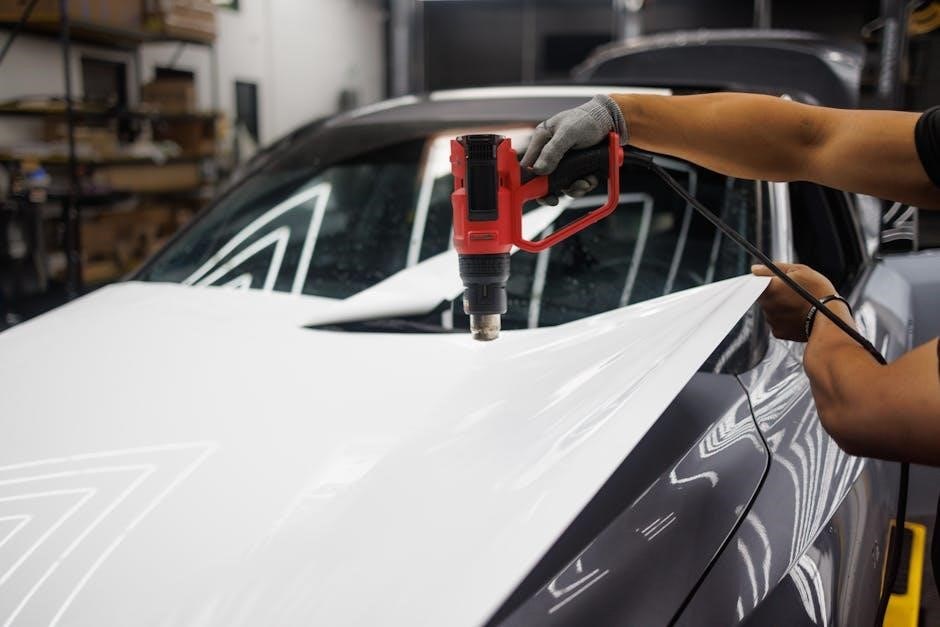
Siser Heat Transfer Vinyl (HTV) has become a leading choice for crafters and professionals alike, renowned for its quality, durability, and extensive range of materials. Originating in Italy, Siser offers a diverse selection of vinyls, catering to a multitude of projects – from personalized apparel and accessories to home décor and promotional items.
What sets Siser apart is its consistent performance and user-friendly application. Whether you’re a beginner or an experienced maker, Siser HTV provides reliable adhesion and a professional finish. The brand continually innovates, introducing new textures, finishes, and specialized vinyls to meet evolving creative demands. This guide will navigate you through the Siser universe, offering insights into different vinyl types, optimal cut settings for popular cutting machines (Cricut, Silhouette, Scan N Cut, and Graphtec), and essential heat pressing techniques for flawless results. Prepare to unlock your creative potential with Siser!
Understanding Different Siser Vinyl Types
Siser boasts an impressive array of HTV options, each designed for specific applications and aesthetics. EasyWeed is the go-to for beginners due to its effortless weeding and application. EasyWeed Electric excels on performance fabrics, offering superior durability and stretch. For projects requiring elasticity, EasyWeed Stretch is ideal for spandex and lycra.
If sparkle is desired, Romeo & Juliet and standard Siser Glitter HTV provide dazzling effects, though require careful cutting and pressing. Siser StripFlock delivers a unique, textured finish, perfect for bold designs. Siser Color HTV serves as a versatile, all-purpose option for everyday crafting. Understanding these distinctions is key to selecting the right vinyl for your project, ensuring optimal results and longevity. Each type has unique temperature and pressure requirements, detailed further in this guide.
EasyWeed: The Beginner-Friendly Option
EasyWeed is renowned as the most user-friendly heat transfer vinyl, making it perfect for crafters new to HTV. Its low-tack carrier sheet allows for easy repositioning before pressing, minimizing errors. Weeding is incredibly simple, requiring minimal effort to remove excess vinyl. Application is straightforward, adhering well to a wide range of fabrics with moderate heat and pressure.
For Cricut users, a standard blade setting and ‘Iron-On’ selection are typically sufficient. Silhouette Cameo users should utilize a blade setting of 3, with a speed of 8 and force of 6. Scan N Cut and Graphtec machines also have specific settings for optimal cuts. Recommended pressing temperature is 305°F / 150°C for 10-15 seconds with medium pressure, allowing for both hot or cold peel. Its versatility and ease of use make EasyWeed an excellent starting point for any HTV project.
EasyWeed Electric: For Performance Fabrics
EasyWeed Electric is specifically engineered for bonding to performance fabrics like polyester, nylon, and spandex, where standard HTV often struggles. This vinyl boasts a higher adhesive quality, ensuring a durable and long-lasting bond even through rigorous washing and wear. It’s ideal for athletic wear, swimwear, and other garments requiring flexibility and resilience.
Cut settings mirror those of EasyWeed for most machines: Cricut utilizes a standard blade and ‘Iron-On’ setting, while Silhouette Cameo benefits from blade setting 3, speed 8, and force 6. Scan N Cut and Graphtec settings remain consistent with EasyWeed. The recommended pressing temperature is 305°F / 150°C, and medium pressure is advised. EasyWeed Electric delivers superior adhesion on challenging materials, making it a go-to choice for performance apparel.

EasyWeed Stretch: Ideal for Spandex & Lycra
EasyWeed Stretch is formulated to maintain its integrity when applied to highly elastic fabrics like spandex, lycra, and neoprene. Its unique composition allows it to stretch and move with the garment without cracking or peeling, making it perfect for activewear, dance costumes, and fitted apparel. This vinyl offers exceptional durability and a soft hand-feel, ensuring comfort and longevity.
For cutting, utilize standard blade settings on Cricut and Silhouette machines, mirroring EasyWeed’s recommendations. Scan N Cut requires blade setting 2, cut speed 1, and cut pressure 1. Graphtec settings also align with EasyWeed. However, a lower pressing temperature of 250°F / 121°C is crucial to prevent scorching the fabric. Medium pressure and a hot peel are recommended for optimal results. EasyWeed Stretch guarantees a professional finish on stretchy materials.
Romeo & Juliet: Glitter Vinyl Application
Romeo & Juliet is Siser’s premium glitter heat transfer vinyl, renowned for its dazzling sparkle and high-quality finish. Achieving a successful application requires specific cut settings and pressing techniques due to its thicker composition. This vinyl is ideal for creating eye-catching designs on apparel, accessories, and more, adding a touch of glamour to any project.
When cutting Romeo & Juliet, a 45-degree blade is recommended across most machines. For Cricut Explore Air and Maker, use a force of 5-8 and an offset of 0.250 at a speed of 10. Silhouette 4 & 5 require an AutoBlade, standard setting. Brother Scan N Cut, Roland, and Graphtec machines also have specific blade and force settings available on SiserNA.com. Remember to test cuts to ensure clean weeding before pressing. Proper preparation is key to a stunning glitter finish!

Siser Glitter HTV: Cut Settings & Heat Pressing
Siser Glitter HTV demands precise cut settings to preserve its intricate sparkle. For Cricut machines, utilize a standard blade with an iron-on setting. Silhouette Cameo users should employ a blade setting of 3, selecting ‘Heat Transfer, Smooth’ at speed 8 and force 6. Scan N Cut requires a standard blade (setting 2), cut speed 1, and cut pressure 1. Graphtec machines benefit from a 45-degree blade, 8-9 gram force, and a CB09U0 tool at 30 cm/s.
Heat pressing Siser Glitter requires a temperature of 305°F (150°C) and a medium pressure for 10-15 seconds. Always perform a test cut before a full production run. After pressing, allow the garment to cool slightly before peeling the carrier sheet – a hot or cold peel is generally acceptable, depending on the specific glitter type. Proper settings ensure a vibrant, long-lasting glitter application.
Siser StripFlock: A Unique Textured Finish
Siser StripFlock HTV offers a distinctive, velvety texture ideal for creating bold, eye-catching designs. Cutting StripFlock requires careful blade adjustment due to its thicker profile. For Cricut, a standard blade and iron-on setting are recommended. Silhouette Cameo users should utilize blade setting 3, selecting ‘Heat Transfer, Smooth’ at speed 8 and force 6. Scan N Cut benefits from a standard blade (setting 2), cut speed 1, and cut pressure 1. Graphtec machines perform best with a 45-degree blade, 8-9 gram force, and a CB09U0 tool at 30 cm/s.
Heat press at 305°F (150°C) with medium pressure for 10-15 seconds. StripFlock typically allows for a hot or cold peel. Weeding can be slightly more challenging due to the flocked texture, so patience is key. This material is excellent for adding a premium, tactile feel to apparel and accessories.

Siser Color HTV: Standard Versatility
Siser Color HTV is a go-to choice for everyday crafting due to its broad color selection and reliable performance. It’s a versatile option suitable for a wide range of projects, from simple designs to intricate graphics. When cutting with a Cricut, use a standard blade and the ‘Iron-On’ setting. Silhouette Cameo users should employ blade setting 3, selecting ‘Heat Transfer, Smooth’ at speed 8 and force 6. Scan N Cut requires a standard blade (setting 2), cut speed 1, and cut pressure 1. Graphtec machines thrive with a 45-degree blade, 8-9 gram force, and a CB09U0 tool at 30 cm/s.
Heat press at 305°F (150°C) with medium pressure for 10-15 seconds, allowing for either a hot or cold peel. Siser Color HTV provides excellent adhesion to various fabrics, making it a dependable choice for crafters of all levels.

Cutting Siser Vinyl: Machine Specific Settings
Achieving clean cuts is paramount for successful heat transfer vinyl application. Siser vinyl requires tailored settings based on your cutting machine. For Cricut machines, utilize a standard blade with the ‘Iron-On’ setting for EasyWeed and EasyWeed Electric. Silhouette Cameo users should employ blade setting 3, selecting ‘Heat Transfer, Smooth’ at speed 8 and force 6. Scan N Cut machines benefit from a standard blade (setting 2), a cut speed of 1, and cut pressure of 1.
Graphtec cutters perform optimally with a 45-degree blade, 8-9 gram force, a CB09U0 tool, and a speed of 30 cm/s. Remember to perform a test cut to confirm settings before committing to a full design, ensuring precise and efficient vinyl cutting.
Cricut Cut Settings for Siser Vinyl
When using a Cricut machine with Siser Heat Transfer Vinyl, selecting the correct cut settings is vital for a flawless application. For both Cricut Explore Air and Cricut Maker models, a standard blade is generally recommended. Utilize the ‘Iron-On’ material setting within Cricut Design Space for EasyWeed and EasyWeed Electric. Always perform a test cut before beginning your project to verify the settings are appropriate for your specific vinyl and blade condition.
Adjustments may be needed based on blade age and vinyl thickness; A slightly increased pressure can be beneficial for intricate designs. Remember to mirror your image before cutting, as HTV is applied to the fabric with the carrier sheet facing up. Consistent test cuts will ensure optimal results and minimize wasted material.
Silhouette Cameo Cut Settings for Siser Vinyl
For Silhouette Cameo users working with Siser HTV, a standard blade is typically sufficient. Within Silhouette Studio, select ‘Heat Transfer, Smooth’ as your material type. A blade depth setting of 3 is a good starting point for EasyWeed and EasyWeed Electric. Adjust the speed to 8 and the force to 6 for optimal cutting performance. As with any cutting machine, a test cut is essential to confirm these settings work effectively with your specific blade and vinyl batch.
Consider slightly increasing the force if the vinyl isn’t cutting cleanly through the carrier sheet. Remember to mirror your design before cutting, as HTV is applied face down. Consistent testing and minor adjustments will lead to clean cuts and successful heat transfer applications.
Scan N Cut Cut Settings for Siser Vinyl
When utilizing a Brother Scan N Cut with Siser Heat Transfer Vinyl, employing a standard blade (setting 2) is generally recommended. Within the Scan N Cut canvas, set the cut speed to 1 and the cut pressure to 1 as initial settings. These values provide a balanced approach for cleanly cutting through the vinyl without damaging the carrier sheet. As always, performing a test cut is paramount to ensure accurate results, given variations in blade sharpness and vinyl composition.
For optimal performance, ensure your design is mirrored before cutting, as HTV is applied with the carrier sheet facing upwards. Fine-tuning the pressure may be necessary depending on the specific Siser vinyl type; slightly increasing it can resolve incomplete cuts.
Graphtec Cut Settings for Siser Vinyl
For Graphtec cutting machines and Siser Heat Transfer Vinyl, a 45-degree blade is typically the most effective choice. Applying a force between 8 and 9 grams is a good starting point, utilizing the CB09U0 tool for precision. Set the cutting speed to 30 cm/s to balance speed and accuracy. Remember to mirror your design before cutting, as heat transfer vinyl is applied to the fabric with the carrier sheet facing upwards.
Consistent test cuts are crucial, as slight adjustments to the force may be needed based on the specific Siser vinyl type and blade condition. Ensure the cutting mat is clean and properly adhered to for optimal results. These settings provide a solid foundation for achieving clean, precise cuts with your Graphtec machine.

Heat Pressing: Essential Techniques
Successful application of Siser vinyl hinges on mastering heat pressing techniques. Begin by ensuring your heat press is calibrated for accurate temperature control. Pre-pressing the garment for 10-15 seconds removes moisture and wrinkles, creating a smooth surface for optimal adhesion. Consistent, even pressure is vital throughout the pressing process.
Different Siser vinyl types require specific temperature and time settings – detailed in subsequent sections. Always use a Teflon sheet or parchment paper to protect both the vinyl and the heat press platen. After pressing, allow the garment to cool slightly before peeling the carrier sheet, following hot or cold peel instructions specific to the vinyl.
Pre-Pressing the Garment: Importance & Duration
Pre-pressing your garment before applying Siser heat transfer vinyl is a critical, often overlooked step. This process removes excess moisture and eliminates wrinkles, creating a perfectly smooth surface for optimal vinyl adhesion. Failing to pre-press can lead to bubbling, peeling, or a generally unprofessional finish.
The recommended duration for pre-pressing is typically between 10 to 15 seconds. Apply medium pressure during this stage. Don’t underestimate the importance of also pre-pressing the back of the garment for approximately 30 seconds; this ensures even heat distribution throughout the fabric. This simple step significantly enhances the longevity and quality of your Siser vinyl application, resulting in a durable and visually appealing design.
Temperature Settings for Different Siser Vinyls
Achieving a strong bond with Siser HTV relies heavily on using the correct temperature settings for each vinyl type. While a general guideline exists, always refer to the specific product instructions for the most accurate recommendations.
For EasyWeed and EasyWeed Electric, a temperature of 305°F (150°C) is generally recommended. However, EasyWeed Stretch requires a lower temperature of 250°F (121°C) due to its unique formulation. Remember that these are starting points; adjustments may be necessary based on your heat press and fabric type. Consistent temperature control is vital for uniform adhesion and a professional-quality finish. Always prioritize manufacturer guidelines to avoid damaging the vinyl or garment.
EasyWeed Temperature & Time (305°F / 150°C, 10-15 seconds)
When working with Siser EasyWeed, a temperature of 305°F (150°C) is the standard recommendation for optimal adhesion. Applying heat for 10-15 seconds is typically sufficient, but pressing time can be adjusted slightly depending on the fabric and heat press. Ensure even pressure distribution across the entire design during the pressing process.
Pre-pressing the garment for 10-15 seconds before applying the vinyl helps remove moisture and wrinkles, creating a smoother surface for better bonding. A firm, even press is crucial; avoid excessive pressure, which can cause the vinyl to bleed. Following these guidelines will result in a durable, long-lasting application with EasyWeed HTV, ensuring a professional finish on your projects.
EasyWeed Electric Temperature & Time (305°F / 150°C)
Siser EasyWeed Electric, designed for performance fabrics, also utilizes a pressing temperature of 305°F (150°C). However, unlike standard EasyWeed, specific pressing time recommendations can vary based on the fabric composition and desired durability. It’s crucial to consult Siser’s official guidelines for the specific material you’re applying the vinyl to.
Consistent, even pressure is paramount when using EasyWeed Electric. Pre-pressing the garment is highly recommended to eliminate moisture and ensure optimal adhesion. While a 10-15 second press is a good starting point, testing a small sample is always advised. This ensures the vinyl fully bonds to the fabric without compromising its integrity or the garment’s texture, resulting in a professional and lasting application.
EasyWeed Stretch Temperature & Time (250°F / 121°C)
Siser EasyWeed Stretch, formulated for fabrics with significant elasticity like spandex and lycra, requires a lower pressing temperature of 250°F (121°C). This lower heat minimizes the risk of damaging the fabric’s stretch and recovery properties. A medium pressure setting is generally recommended to allow for sufficient bonding without flattening the material.
Pressing time for EasyWeed Stretch typically falls within the 10-15 second range, but testing is vital. Due to the unique characteristics of stretch fabrics, a test press helps confirm adequate adhesion. Remember to always pre-press the garment to remove any moisture; Hot peeling is generally recommended for EasyWeed Stretch, but always refer to Siser’s specific instructions for optimal results and long-lasting wear.

Pressure Settings for Optimal Adhesion
Achieving optimal adhesion with Siser heat transfer vinyl hinges on applying the correct pressure during heat pressing. Generally, a medium pressure setting is a reliable starting point for most Siser vinyl types, including EasyWeed and Color HTV. However, adjustments may be necessary based on the fabric and vinyl combination.
For thicker materials like StripFlock or glitter vinyls, increasing the pressure to medium-firm can enhance bonding. Conversely, delicate fabrics might require a lighter pressure to prevent damage or distortion. Consistent, even pressure across the entire design is crucial; uneven pressure can lead to inconsistent adhesion and potential peeling. Always consult Siser’s guidelines for specific vinyl recommendations and conduct test presses to fine-tune the pressure for your setup.
Pressing Time: Adjusting for Vinyl Type & Fabric
Pressing time is a critical factor in successful Siser HTV application, varying based on both the vinyl type and the fabric composition. Standard EasyWeed typically requires 10-15 seconds at 305°F (150°C), while EasyWeed Electric also utilizes this timeframe at the same temperature. EasyWeed Stretch benefits from a slightly cooler 250°F (121°C) with the same 10-15 second press.
Thicker vinyls, like glitter or StripFlock, may necessitate extended pressing times – up to 20-25 seconds – to ensure complete adhesion. Heavier fabrics, such as denim, can also require longer press durations. Conversely, delicate materials may only need 5-10 seconds to avoid scorching. Always perform test presses to determine the ideal time for your specific combination, prioritizing a firm, even bond without damaging the garment.
Peeling Methods: Hot vs. Cold Peel
Siser vinyl offers both hot and cold peel options, influencing the application process and final result. “Hot peel” indicates the carrier sheet should be removed immediately after pressing, while still warm. EasyWeed is commonly a hot peel vinyl, offering a swift removal when the temperature is correct. However, some variations or fabrics may benefit from a slightly cooled approach.
“Cold peel” requires allowing the vinyl to cool completely before removing the carrier sheet. This method is often preferred for intricate designs or when working with sensitive materials, minimizing the risk of lifting. Always consult the specific vinyl’s instructions, as peeling too soon or too late can lead to adhesion issues. A successful peel indicates a strong bond between the vinyl and fabric.
Troubleshooting Common Issues
Even with careful application, issues can arise. If vinyl lifts, re-press with increased time or pressure, ensuring full coverage. Bubbling under the vinyl often indicates insufficient heat or pressure; adjust accordingly. Incorrect cut settings can lead to tearing or incomplete cuts – refine blade depth and speed for your machine and vinyl type.
Discoloration of the fabric might occur with excessive heat; lower the temperature slightly. If the vinyl feels stiff, reduce pressing time. Always test on a scrap piece of fabric first! Carrier sheet sticking? Ensure the pressing surface is clean and free of debris. Remember, proper pre-pressing and post-pressing can prevent many common problems, leading to a flawless finish.
Siser Vinyl Compatibility with Fabrics
Siser HTV demonstrates excellent adhesion to a wide array of fabrics, but understanding material specifics is key. Cotton, polyester, and blends generally work exceptionally well with EasyWeed and Color HTV. For stretchy materials like spandex and lycra, EasyWeed Stretch is specifically formulated to maintain flexibility and prevent cracking.
Performance fabrics benefit from EasyWeed Electric’s durability. When working with delicate fabrics, lower temperatures and shorter pressing times are recommended. Always test a small, inconspicuous area first to confirm compatibility and prevent damage. Consider fabric weight and color; darker fabrics may require slightly higher temperatures. Proper fabric preparation, like pre-washing, enhances adhesion and longevity.
Caring for Siser Vinyl Applications
To maximize the lifespan of your Siser HTV creations, follow these care instructions. Always turn garments inside out before washing. Machine wash cold with mild detergent, avoiding bleach and fabric softeners, as these can degrade the vinyl’s adhesive. Tumble dry on low heat or, ideally, hang to dry.
Avoid ironing directly over the vinyl; if ironing is necessary, place a Teflon sheet or parchment paper between the iron and the design. For glitter vinyls like Romeo & Juliet, gentle washing is particularly important to preserve the sparkle. Repeated high-heat washing and drying can eventually cause cracking or peeling, so mindful care extends the vibrancy and durability of your Siser vinyl applications.
Where to Purchase Siser Vinyl & Supplies
Siser heat transfer vinyl and related supplies are widely available through numerous retailers. The official Siser North America website, SiserNA.com, offers a comprehensive selection of all Siser products, including vinyl bundles, tools, and heat presses. You can also find Siser vinyl at major craft stores like Michaels and Hobby Lobby, both online and in physical locations.
Additionally, many independent vinyl supply shops and online marketplaces, such as Amazon and Etsy, carry Siser products. When purchasing, ensure you’re buying from a reputable source to guarantee authenticity and quality. Don’t forget to look for coupon codes, like “SISER25SALE” for potential discounts on your Siser HTV purchases!