
Lalitha Sahasranama, a profoundly revered text, unveils the divine names of the Goddess Lalitha Devi, offering a pathway to spiritual enlightenment and grace.
Google’s resources, alongside dedicated websites, provide access to English PDF versions, facilitating wider study and recitation of this sacred hymn for devotees globally.
What is Lalitha Sahasranama?
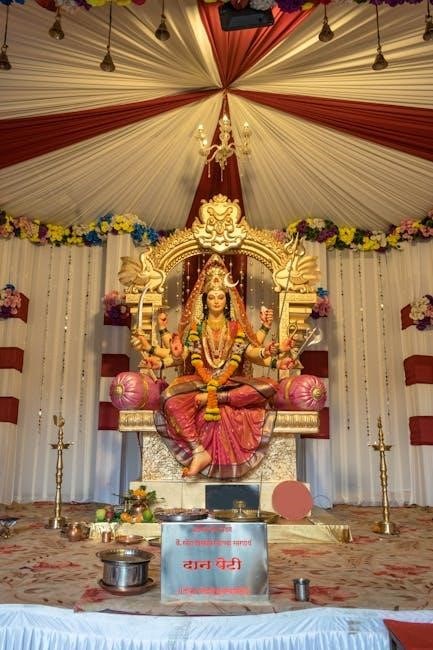
Lalitha Sahasranama is a sacred Hindu text consisting of 1000 names (Sahasranama) of Lalitha Devi, the Goddess of supreme beauty, energy, and power. It’s a hymn, a stotra, deeply embedded within the Lalitha Tripura Sundari tradition. The text isn’t merely a list of names; each name reveals a different aspect of the Goddess, her qualities, and her cosmic functions.
Accessing the Lalitha Sahasranama is now easier than ever, with numerous English PDF versions available online. These digital formats allow devotees worldwide to engage with the text regardless of geographical limitations. Google searches readily yield links to these resources, making the divine names accessible to a broader audience. The availability of PDF versions promotes consistent study and recitation, fostering a deeper connection with the Goddess.
Understanding the text often begins with finding a reliable English PDF translation, enabling practitioners to comprehend the profound meanings behind each name and unlock the spiritual benefits it offers.
Significance and Benefits
The Lalitha Sahasranama holds immense significance in Hindu spirituality, considered a powerful tool for spiritual growth and liberation. Reciting these 1000 names is believed to bestow numerous benefits, including prosperity, health, and protection from negative energies. The text is revered for its ability to awaken divine consciousness and facilitate a deeper connection with the Goddess Lalitha Devi.
The increasing availability of English PDF versions significantly enhances accessibility to these benefits. Devotees can now easily download and utilize the text for daily recitation and puja. Google’s search capabilities quickly locate these PDF resources, making the practice more convenient.
Furthermore, studying the English PDF allows for a deeper understanding of each name’s meaning, amplifying the positive effects of recitation and fostering a more profound spiritual experience. It’s a readily available pathway to divine grace.

Understanding the Text
Lalitha Sahasranama’s origins lie within ancient scriptures, now accessible via English PDF translations, offering insights into its structure and the divine names it contains.
Origin and Scriptural Basis
Lalitha Sahasranama originates from the Brahmanda Purana, a significant Hindu text, and is intricately woven into the fabric of Tantric traditions. The hymn itself is presented as a revelation to the sage Agastya by Hayagriva, an avatar of Vishnu, emphasizing its divine source and authority.
Its scriptural basis firmly establishes its sanctity within the Shakta tradition, which reveres the Goddess as the supreme power; The availability of English PDF versions allows wider access to this foundational text, bridging linguistic barriers and fostering deeper understanding.
Scholarly interpretations and commentaries, often found accompanying these PDF translations, trace the hymn’s roots to earlier Vedic hymns and Upanishadic concepts, demonstrating a continuous lineage of spiritual thought. The text’s profound philosophical underpinnings are now more readily available through digital formats.
The 1000 Names of Lalitha Devi
The Lalitha Sahasranama comprises one thousand names, each a potent mantra revealing a distinct aspect of the Goddess Lalitha’s power, beauty, and cosmic significance. These names aren’t merely descriptive; they encapsulate profound spiritual truths and energies.
Accessing these names through English PDF versions facilitates recitation and contemplation for a broader audience. The names cover a spectrum of attributes – from her physical form and adornments to her divine powers and cosmic functions.
Many PDF translations include detailed explanations of each name, unlocking their deeper meanings and enabling devotees to connect with the Goddess on a more intimate level. Studying these names is considered a powerful spiritual practice, leading to self-realization and liberation.
Structure and Organization of the Sahasranama

The Lalitha Sahasranama isn’t a random collection of names; it’s meticulously structured within a narrative framework, enhancing its potency and meaning. Typically, English PDF versions maintain this structure, often mirroring the original Sanskrit text’s organization.
The names are grouped into sections, often categorized by the deity’s attributes or the context of the narrative. This arrangement aids in understanding the interconnectedness of the Goddess’s qualities.
Many PDF editions include introductory verses and concluding prayers, framing the Sahasranama within a broader ritual context. The consistent structure across translations, readily available in PDF format, ensures devotees can easily navigate and benefit from this sacred text, regardless of language.

Lalitha Sahasranama in PDF Format
English PDF versions of the Lalitha Sahasranama are widely accessible online, offering convenient study and recitation for devotees seeking spiritual enrichment.
Availability of English PDF Versions
Numerous English PDF versions of the Lalitha Sahasranama are readily available, catering to a global audience eager to connect with this sacred text. The internet hosts a diverse collection, ranging from simple transliterations to elaborately translated and annotated editions. Google searches quickly reveal multiple sources offering downloadable PDFs, making the Sahasranama accessible to anyone with an internet connection.
These digital versions facilitate convenient study, allowing devotees to read and recite the 1000 names of Lalitha Devi on various devices – computers, tablets, and smartphones. The PDF format ensures consistent formatting across platforms, preserving the integrity of the text. Different translations exist, offering varying interpretations and levels of detail, allowing individuals to choose a version that resonates with their understanding and spiritual practice. The widespread availability underscores the growing interest in this powerful hymn and its potential for transformative benefits.
Reliable Sources for Download
When seeking a Lalitha Sahasranama English PDF, prioritizing reliable sources is crucial for accuracy and authenticity. Websites dedicated to Hindu scriptures and spirituality often provide verified translations. Reputable online bookstores specializing in religious texts are also excellent options. Several organizations focused on preserving and disseminating Vedic knowledge offer downloadable PDFs, ensuring adherence to traditional interpretations.
Exercise caution when downloading from less-known websites, verifying the source’s credibility before accessing any files. Look for PDFs originating from established publishers or scholarly institutions. Google Books may also host digitized versions of translated Sahasranamas. Always cross-reference with other sources to confirm the translation’s accuracy and avoid corrupted or incomplete files. Prioritizing trusted platforms guarantees a genuine and enriching experience with this sacred text.
Different Translations and Interpretations
Numerous Lalitha Sahasranama English PDF translations exist, each reflecting the translator’s understanding and interpretation of the Sanskrit verses. These variations stem from the inherent complexities of translating ancient spiritual texts, where nuanced meanings can differ. Some translations prioritize literal accuracy, while others focus on conveying the devotional essence.
Scholarly commentaries often accompany translations, providing deeper insights into the symbolism and philosophical underpinnings of each name. Exploring multiple translations allows for a more comprehensive understanding of the Sahasranama’s richness. Be aware that interpretations can vary based on the specific tradition or school of thought. Comparing different PDFs can reveal subtle yet significant differences in meaning, enriching your personal connection to the divine names.

Key Aspects of the English Translation
Lalitha Sahasranama English PDF translations face challenges in accurately conveying Sanskrit’s depth; however, readily available versions aid devotional practice and understanding.
Challenges in Translation
Translating the Lalitha Sahasranama, even into English PDF format, presents significant hurdles due to the inherent complexities of Sanskrit and the nuanced layers of meaning embedded within each name. The original Sanskrit utilizes poetic devices, symbolism, and cultural references that don’t always have direct equivalents in English.
Maintaining the sacredness and vibrational power of the names is paramount, yet difficult to achieve through literal translation. Different interpretations arise from varying schools of thought and the translator’s own understanding of Tantric philosophy. Ensuring accuracy requires deep linguistic expertise, spiritual insight, and a reverence for the Goddess Lalitha Devi.
Furthermore, conveying the subtle connotations and etymological roots of each name—often drawing from ancient scriptures and traditions—poses a considerable challenge. A successful translation aims not merely to provide a word-for-word equivalent, but to capture the essence and transformative potential of each divine appellation within the accessible English PDF format.
Commonly Used English Translations
Several English translations of the Lalitha Sahasranama are widely circulated, often available as PDF downloads. Among the most popular is the translation by Dr. V. Raghavan, known for its scholarly approach and detailed commentary. Another frequently used version is by Swami Paramashivananda, appreciated for its devotional tone and clarity.
Many online resources offer translations alongside transliteration, aiding in accurate pronunciation during recitation. Websites dedicated to Hindu scriptures often host multiple versions, allowing practitioners to compare interpretations. The availability of these PDF resources has significantly broadened access to this sacred text.
However, it’s crucial to note that variations exist, and choosing a translation that resonates with one’s spiritual understanding is essential. Some translations prioritize literal accuracy, while others emphasize conveying the underlying spiritual meaning within the convenient English PDF format.
Accuracy and Authenticity of Translations
Assessing the accuracy and authenticity of Lalitha Sahasranama English PDF translations is paramount. The original Sanskrit text is rich in symbolism and nuanced meanings, presenting challenges for translators. Literal translations may sometimes fail to capture the depth of these concepts.
Scholarly translations, like those by Dr. V. Raghavan, generally prioritize fidelity to the original text, often including detailed notes and explanations. However, even these interpretations can be subject to debate among experts. Devotional translations, while beautiful, may prioritize conveying the spiritual essence over strict linguistic accuracy.
When selecting a PDF version, consider the translator’s background and credentials. Comparing multiple translations can reveal differing interpretations and help you form a more comprehensive understanding. Ultimately, authenticity lies in the translator’s reverence for the text and commitment to preserving its sacredness.
Using the Lalitha Sahasranama PDF
Lalitha Sahasranama English PDF versions enable convenient daily recitation, puja practices, and deeper understanding of each divine name’s significance for spiritual growth.
Daily Recitation Practices
Utilizing a Lalitha Sahasranama English PDF facilitates consistent daily practice, a cornerstone of devotional sadhana. Many devotees choose a specific time, often dawn or dusk, for recitation, creating a sacred rhythm in their lives.
Begin with a brief purification ritual and offering, then slowly and mindfully recite the names, focusing on their meaning and the energy they invoke. The PDF format allows for easy bookmarking and tracking of progress.
Some practitioners recite the entire Sahasranama daily, while others choose to recite a specific number of names, like 108, or focus on a particular section. Consistency, rather than quantity, is key. Regular recitation, aided by the accessible PDF, fosters a deeper connection with the Divine Feminine and cultivates inner peace and well-being.
Puja and Ritualistic Use
The Lalitha Sahasranama English PDF is invaluable during puja (worship) and various ritualistic practices dedicated to Lalitha Devi. It serves as a central scriptural component, enhancing the sanctity and effectiveness of the offering.
During puja, the Sahasranama can be recited as a core element, often accompanied by offerings of flowers, incense, and other symbolic items. The PDF allows priests and devotees alike to easily follow along and maintain accuracy.
Specific rituals may involve reciting particular names relevant to the desired outcome or focusing on sections aligned with the deity’s specific manifestations. Having a readily available PDF streamlines these practices, fostering a deeper devotional experience and facilitating a powerful connection with the Goddess’s energy.
Understanding the Meaning of Names During Recitation
Utilizing an Lalitha Sahasranama English PDF with detailed translations is crucial for comprehending the profound significance of each name during recitation. Simply chanting without understanding diminishes the spiritual benefit.
Each name encapsulates a specific attribute, power, or aspect of Lalitha Devi. The PDF allows devotees to delve into these meanings, fostering a deeper connection and appreciation for the Goddess’s multifaceted nature.
Contemplating the meaning while reciting transforms the practice from a mere repetition into a meditative exploration of divine qualities. This understanding unlocks the inherent power within each name, amplifying the positive effects and promoting spiritual growth. A well-annotated PDF becomes a key to unlocking this transformative potential.

Resources and Further Study
Lalitha Sahasranama English PDF resources, alongside online websites and scholarly articles, offer deeper insights into this sacred text for dedicated practitioners.

Online Resources and Websites
Numerous online platforms dedicate themselves to the preservation and dissemination of the Lalitha Sahasranama, particularly in English PDF format. Websites like Stotramini.com frequently host downloadable PDFs of various translations, alongside accompanying audio recitations to aid in proper pronunciation and understanding.
Additionally, several devotee-run websites offer detailed explanations of each name, fostering a deeper connection with the divine attributes of Lalitha Devi. Exploring Google Search using keywords like “Lalitha Sahasranama English PDF download” yields a wealth of results, though discernment is crucial to ensure authenticity and accuracy.
Platforms like archive.org may also contain digitized versions of older commentaries and translations. Remember to verify the source and translator before relying on any online resource for spiritual practice, prioritizing reputable and established websites for reliable information regarding the Lalitha Sahasranama.

Books and Commentaries
While numerous English PDF versions of the Lalitha Sahasranama circulate online, supplementing digital access with traditional commentaries provides invaluable depth. Books offering detailed explanations, such as those by Dr. V.K. Mahesh, are highly regarded for their scholarly approach and accessible language.
Several publishers specialize in Hindu scriptures, offering printed editions with comprehensive commentaries that illuminate the esoteric meanings behind each of the 1000 names. These often include transliteration, translation, and insightful interpretations, enhancing understanding beyond a simple PDF reading.
Exploring commentaries by Swami Ramananda Saraswati or those based on the teachings of Sri Vidya tradition can further enrich one’s practice. Combining digital convenience with the wisdom contained within established books fosters a holistic and profound engagement with the Lalitha Sahasranama.
Scholarly Articles and Research

Academic exploration of the Lalitha Sahasranama, even when accessed through English PDF translations, benefits greatly from consulting scholarly articles and research papers. Databases like JSTOR and Google Scholar host studies analyzing the text’s historical context, philosophical underpinnings, and linguistic nuances.
Researchers often investigate the Sahasranama’s connections to Tantric traditions, Sri Vidya philosophy, and the broader landscape of Hindu goddess worship. These articles provide critical perspectives, moving beyond devotional interpretations to offer nuanced understandings of the text’s symbolism.
Furthermore, studies examining different English translations reveal the challenges and choices inherent in rendering Sanskrit concepts into another language. Accessing this research enhances appreciation for the complexities within the PDF versions and encourages informed engagement with the Sahasranama’s profound wisdom.