
Self-Guided Painted Churches Tour Map: A Comprehensive Plan
Embark on a captivating journey through Texas history and artistry! This detailed guide unveils a self-guided tour, showcasing stunning painted churches and their cultural significance.
Discover hidden gems across Fayette, Lavaca, and surrounding counties, utilizing available maps and resources for an unforgettable exploration of Texas heritage.
The Painted Churches of Texas represent a unique blend of faith, artistry, and cultural heritage, primarily found in the rolling hills of Central Texas. These aren’t simply places of worship; they are vibrant testaments to the devotion and artistic expression of early Czech and German settlers.
Originally constructed in the late 19th and early 20th centuries, these churches were adorned with intricate murals – often painted by untrained, yet remarkably skilled, local artists. These murals depict biblical scenes, religious symbols, and even floral motifs, transforming modest wooden structures into breathtaking works of art. A self-guided tour allows visitors to experience these treasures at their own pace, delving into the stories behind each brushstroke and the communities that built them. Exploring these churches offers a profound connection to Texas’s rich immigrant history and enduring spiritual traditions.
Historical Context: German and Czech Immigration
The story of the Painted Churches is inextricably linked to the waves of German and Czech immigration to Texas during the 19th century. Seeking economic opportunities and religious freedom, these settlers primarily established communities in the fertile lands of Central Texas, particularly in counties like Fayette and Lavaca.
Driven by strong Catholic faith, they quickly set about building churches as the focal points of their new lives. Many arrived with limited resources, relying on local craftsmanship and communal effort. The artistic traditions brought from their homelands – particularly the Baroque style prevalent in Bohemia – heavily influenced the decoration of these churches. This self-guided tour reveals how these immigrant communities transformed the Texas landscape, leaving behind a legacy of faith and artistic expression.
The Significance of Religious Art in Early Texas
Religious art within these churches served a vital purpose for early Texan settlers, many of whom were illiterate. Vivid paintings acted as visual sermons, conveying biblical stories and Catholic doctrine to the congregation. These weren’t merely decorative elements; they were essential tools for religious instruction and spiritual upliftment.
The elaborate interiors aimed to recreate the grandeur of European cathedrals, offering a sense of familiarity and connection to their homeland. This self-guided tour highlights how the artistic choices – from Baroque flourishes to Gothic Revival details – reflected the settlers’ deep faith and cultural identity. The paintings also served as expressions of gratitude for their safe arrival and successful establishment in a new land, solidifying their community bonds.
Key Regions for a Painted Churches Tour
For an optimal self-guided experience, focus your tour on three primary regions. Fayette County stands out as a central hub, boasting a high concentration of beautifully preserved painted churches, particularly around Schulenburg and High Hill. Lavaca County, to the south, offers a glimpse into slightly different artistic styles and rural settings.
Additionally, explore areas surrounding these counties, as smaller clusters of churches exist throughout the Texas Hill Country. Utilizing a detailed tour map is crucial for navigating the backroads and discovering hidden gems. These regions represent the heartland of this unique artistic tradition, offering a rich tapestry of history, faith, and cultural expression for every visitor.
Schulenburg: The Heart of the Tour
Schulenburg serves as the ideal base for exploring the painted churches, deeply rooted in German heritage and offering exceptional examples of this unique art form. The town itself exudes small-town charm, with local businesses and dining options enhancing the visitor experience. Several churches are conveniently located within a short driving distance, allowing for a focused and rewarding tour.
Don’t miss the opportunity to savor authentic German sausage, a local specialty! Schulenburg’s central location and abundance of painted churches make it the undisputed heart of the tour, providing easy access and a truly immersive cultural experience for all who visit.
Fayette County: A Concentration of Masterpieces
Fayette County boasts a remarkable density of beautifully preserved painted churches, representing a significant concentration of these artistic and historical treasures. Within its borders, visitors will encounter stunning examples of Baroque, Gothic Revival, and folk art styles, each telling a unique story of faith and community.
The county’s rural landscape adds to the charm, offering scenic drives between churches. Exploring Fayette County provides an unparalleled opportunity to witness the dedication and skill of the early Texas artists who transformed these sacred spaces into vibrant works of art, making it a must-see destination for any tour.

Lavaca County: Exploring Southern Examples
Venturing into Lavaca County reveals a distinct character among the Texas painted churches, showcasing southern influences and unique artistic expressions. While perhaps less densely populated with painted churches than Fayette County, Lavaca County offers a rewarding experience for those seeking diverse examples of this religious art form.
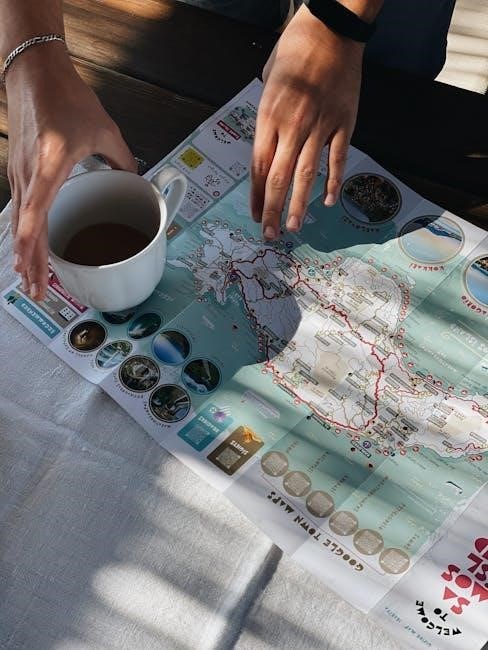
Discover churches that reflect the evolving styles and techniques employed by local artists, often incorporating elements specific to the region’s cultural heritage. Exploring Lavaca County expands your understanding of the painted church tradition, providing a broader perspective on its development throughout Texas.
Planning Your Self-Guided Tour
Meticulous planning is key to a fulfilling painted churches tour. Begin by securing a detailed tour map – readily available online or from local tourism offices – to chart your course effectively. Consider the distances between churches and allocate sufficient travel time, factoring in potential stops for meals or exploration of charming Texas towns.
Determine your tour’s duration and prioritize churches based on your interests. Pre-booking tours, if available, is advisable, especially during peak season. Remember to check church visiting hours and any specific guidelines regarding photography or attire. A well-planned itinerary ensures a seamless and enriching experience.

Obtaining a Detailed Tour Map
Accessing a comprehensive tour map is the first step in planning your adventure. Official Painted Churches Tourism Websites are excellent resources, often providing downloadable maps and interactive online versions. Local historical societies and visitor centers in Schulenburg, Fayetteville, and other key towns readily distribute printed maps.
Alternatively, explore online map services, plotting points of interest based on church addresses. Several travel blogs and websites dedicated to Texas tourism also offer curated maps. Ensure your chosen map includes clear routes, church locations, and contact information for each site, enhancing your self-guided exploration.
Recommended Tour Routes & Distances
A popular route centers around Schulenburg, encompassing St. Mary’s High Hill, St. John the Baptist Ammannsville, and St. Mary’s Dubina – approximately 30-40 miles. Expanding eastward towards Fayetteville adds Saints Cyril and Methodius in Moravia, increasing the distance to around 60-70 miles.
For a more extensive tour, include Holy Cross in Flatonia, creating a loop of roughly 80-100 miles. Consider breaking the journey into two days to fully appreciate each church. Distances are estimates; always verify using a map application. Allow ample time for stops, photography, and exploring local towns along the way.
Best Time of Year to Visit
Spring (March-May) offers pleasant temperatures and the vibrant backdrop of Texas wildflowers, enhancing the scenic drive between churches. Fall (September-November) provides similarly comfortable weather and beautiful autumnal foliage. These seasons avoid the intense summer heat and potential for hurricanes along the Gulf Coast.
Avoid visiting during major holidays, as churches may have limited access due to services or events. Weekdays generally offer a more peaceful experience, allowing for quiet contemplation of the artwork. Check church websites or call ahead to confirm visiting hours, especially during the off-season. Consider the local festivals happening in Schulenburg and Fayetteville!
Notable Churches to Include on Your Map
St. Mary’s Catholic Church in High Hill is renowned for its exceptionally well-preserved and vibrant interior paintings, a true masterpiece of religious folk art. St. John the Baptist Catholic Church in Ammannsville showcases stunning detail and a rich color palette, reflecting Czech artistic traditions.
St. Mary’s Catholic Church in Dubina, often called the “Queen of the Painted Churches,” boasts intricate designs and a captivating history. Saints Cyril and Methodius Catholic Church in Moravia offers a glimpse into the community’s devotion, while Holy Cross Catholic Church in Flatonia presents a unique blend of styles.
St. Mary’s Catholic Church, High Hill
St. Mary’s in High Hill, a landmark of Fayette County, stands as a testament to the enduring faith and artistic skill of early Czech and German settlers. Completed in 1906, its interior is lavishly decorated with stunning murals painted by local artists, showcasing intricate biblical scenes and floral motifs.

The church’s remarkable preservation offers visitors a rare glimpse into the devotional practices and aesthetic sensibilities of the time. Its vibrant colors and detailed artwork create a truly awe-inspiring experience. High Hill itself embodies small-town Texas charm, enhancing the overall pilgrimage.
St. John the Baptist Catholic Church, Ammannsville
St. John the Baptist in Ammannsville, Fayette County, is renowned for its exceptionally well-preserved painted interior, completed in 1919 by Gottfried Graf. The church’s artwork exemplifies a blend of Baroque and folk art styles, featuring detailed depictions of saints, angels, and religious symbols.
Visitors are captivated by the church’s vibrant colors and the skillful execution of the murals, which cover nearly every surface of the interior. Ammannsville, like High Hill, offers a quiet, rural setting that complements the spiritual atmosphere. It’s a truly immersive experience, showcasing the dedication of the community.

St. Mary’s Catholic Church, Dubina
St. Mary’s Catholic Church in Dubina, Fayette County, stands as a testament to the Czech heritage of the region, boasting a stunning interior painted by Johann Stark in 1912. The artwork showcases a unique blend of Bohemian and Texas folk art traditions, creating a visually striking and culturally significant space.
The church’s murals depict scenes from the Bible and the lives of the saints, rendered in vibrant colors and intricate detail. Dubina’s church is particularly noted for its depiction of the Last Judgment, a powerful and moving piece of religious art. It’s a must-see destination for those exploring the painted churches.
Saints Cyril and Methodius Catholic Church, Moravia
Saints Cyril and Methodius Catholic Church in Moravia, Texas, represents a remarkable example of Czech-American artistry and devotion. Completed in 1908, the church’s interior was painted by local artists, reflecting the community’s strong faith and cultural identity. The artwork is characterized by its detailed depictions of biblical scenes and saints, executed in a distinctive folk art style.
The church’s murals are particularly notable for their vibrant colors and intricate patterns, creating a visually stunning and spiritually uplifting atmosphere. Moravia’s church offers a glimpse into the lives and beliefs of the early Czech settlers, making it a significant landmark on the painted churches tour.
Holy Cross Catholic Church, Flatonia
Holy Cross Catholic Church in Flatonia, Texas, stands as a testament to the enduring faith and artistic expression of the region’s early settlers. Established in 1890, the church underwent a significant interior renovation in 1919, resulting in the breathtaking painted murals that adorn its walls today. These murals, created by local artists, showcase a blend of Baroque and folk art styles.
The artwork depicts scenes from the life of Christ, the Virgin Mary, and various saints, rendered with remarkable detail and vibrant colors. Visiting Holy Cross provides a profound connection to the cultural heritage and religious devotion of the Czech and German communities that shaped this part of Texas.
Understanding the Painted Church Art
The painted churches of Texas aren’t merely beautiful; they’re visual sermons, reflecting the deep faith and cultural backgrounds of their congregations. Common themes include biblical scenes, depictions of saints, and symbols representing hope, salvation, and the Holy Trinity. These artistic expressions served as a way to educate a largely illiterate population about their faith.
Local artists, often self-taught, employed a range of styles, from Baroque grandeur to simpler folk art traditions. Recognizing these stylistic nuances – Gothic Revival elements alongside distinctly Texan interpretations – enhances appreciation. The art embodies a unique blend of European heritage and American ingenuity.
Common Themes and Symbolism
Recurring motifs within the painted churches reveal the spiritual priorities of early Texan settlers. Biblical narratives, particularly those emphasizing redemption and divine providence, dominate the interiors. Frequent symbols include doves representing the Holy Spirit, grapes signifying the Eucharist, and angels embodying heavenly messengers.
Floral patterns, often lilies and roses, symbolize purity and the Virgin Mary. The use of gold leaf wasn’t merely decorative; it represented divine light and heavenly glory. Understanding these symbols unlocks deeper layers of meaning, revealing how art functioned as a powerful tool for religious instruction and communal identity.
The Role of Local Artists
The stunning artistry within these churches wasn’t typically the work of renowned masters, but rather skilled local painters – often of German or Czech descent. These artists, frequently house painters or sign makers by trade, possessed a remarkable talent for transforming blank canvases into vibrant expressions of faith.
They often worked directly with the congregations, interpreting their devotional desires and incorporating local artistic traditions. While formal training was rare, their dedication and craftsmanship resulted in unique and enduring works of art, deeply rooted in the community’s identity and spiritual life. Their legacy continues to inspire visitors today.
Artistic Styles: Baroque, Gothic Revival, and Folk Art
The painted churches showcase a fascinating blend of artistic influences. Baroque elements, characterized by ornate detail and dramatic imagery, are prevalent, reflecting European traditions brought by immigrants. Gothic Revival styles, with pointed arches and ribbed vaults, add a sense of soaring spirituality to some interiors.
However, a distinctly folk art aesthetic permeates many churches, born from the artists’ interpretations and limited resources. This results in charmingly naive depictions, vibrant color palettes, and a uniquely Texan expression of religious devotion. The fusion of these styles creates a captivating visual experience, reflecting the cultural landscape.
Practical Tips for Your Tour
Planning is key for a smooth experience! Respectful visiting etiquette is paramount – these are active places of worship, so dress modestly and maintain quiet reverence. Photography is generally permitted, but always ask for permission before photographing individuals or during services.
Consider local accommodation and dining options in towns like Schulenburg and Flatonia. Road conditions can vary, so a reliable vehicle is recommended. Remember to check church schedules beforehand, as access may be limited during events. Pack water, sunscreen, and comfortable shoes for walking. Enjoy the journey and immerse yourself in the beauty!
Respectful Visiting Etiquette
These churches are not merely historical sites, but active centers of faith for local communities. Demonstrate reverence by dressing modestly – covering shoulders and knees is advisable. Maintain a quiet demeanor inside the churches, avoiding loud conversations or disruptive behavior.
Refrain from eating or drinking within the sacred spaces. Always ask permission before taking photographs, especially of individuals or during religious services. Be mindful of ongoing services or events; adjust your visit accordingly. Show appreciation for the preservation efforts and the welcoming spirit of the communities.
Photography Guidelines
Capturing the beauty of these painted churches is encouraged, but always with respect and consideration. Prioritize obtaining permission from church officials or caretakers before taking any photographs, particularly inside the sanctuaries. Avoid using flash photography, as it can damage the delicate artwork and disrupt services.
Be mindful of any restrictions regarding photography during religious ceremonies. Refrain from blocking pathways or obstructing the view of other visitors while taking pictures. Respect the privacy of individuals present and avoid photographing them without their consent. Share your images responsibly, crediting the church and acknowledging its sacred nature.
Local Accommodation and Dining Options
Schulenburg and the surrounding towns offer a variety of lodging choices, from charming bed and breakfasts to comfortable hotels. Consider staying in historic establishments for an immersive experience. Explore local dining options to savor authentic Texas cuisine and German-Czech influenced dishes.
Enjoy homemade sausage, traditional pastries, and hearty meals at family-owned restaurants. Many establishments proudly showcase their heritage. Look for cafes and diners offering quick bites and refreshments. Plan ahead, especially during peak season, to secure reservations and ensure availability. Support local businesses and experience the warm hospitality of the region.
Resources for Further Exploration
Delve deeper into the history and artistry of the painted churches through various resources. Official tourism websites provide comprehensive information, tour maps, and event schedules. Local historical societies and museums offer exhibits, artifacts, and guided tours, enriching your understanding.
Explore documentaries and books dedicated to the topic, uncovering fascinating stories and artistic details. Online platforms and community forums connect enthusiasts, sharing insights and travel tips. LM.pl, a Polish news source, demonstrates the global interest in these cultural landmarks. Utilize these resources to enhance your self-guided tour and appreciate the enduring legacy of these Texas treasures.
Official Painted Churches Tourism Websites
Begin your planning at the official tourism hubs dedicated to the Texas Painted Churches. These websites serve as invaluable resources, offering detailed maps for self-guided tours and comprehensive church listings. Discover information on opening hours, accessibility, and special events happening throughout the year.
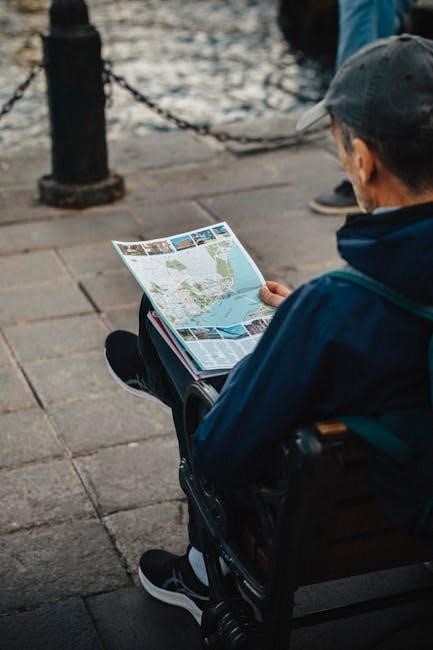
Explore interactive maps pinpointing each church’s location, alongside historical context and artistic highlights. Many sites provide downloadable tour itineraries, catering to different interests and time constraints. Contact information for local tour operators is often available, should you prefer a guided experience. These digital platforms are essential for a well-informed and enriching journey.
Historical Societies and Local Museums
Enhance your understanding of the Painted Churches by visiting local historical societies and museums situated near the tour routes. These institutions often house exhibits detailing the German and Czech immigration patterns that shaped the region’s cultural landscape. Delve into the stories of the artists who meticulously adorned the church interiors with vibrant frescoes.
Discover archival photographs, historical documents, and artifacts that provide deeper insights into the communities surrounding these sacred spaces. Local museums frequently offer guided tours and educational programs, enriching your appreciation for the region’s heritage. Engage with knowledgeable staff and volunteers who can share fascinating anecdotes and local lore, completing your immersive experience.
Documentaries and Books on the Topic
Immerse yourself further in the world of the Texas Painted Churches through compelling documentaries and insightful books. These resources offer a broader perspective on the historical context, artistic techniques, and cultural significance of these remarkable landmarks. Explore the stories behind the immigration waves that brought German and Czech settlers to Texas, influencing the churches’ unique aesthetic.
Discover detailed analyses of the symbolism embedded within the painted artwork, and learn about the local artists who dedicated their talents to these projects. Books provide in-depth historical accounts, while documentaries often feature stunning visuals and interviews with experts. Supplement your tour with these enriching materials for a truly comprehensive experience.
Accessibility Considerations for the Tour
Planning a self-guided tour requires mindful consideration of accessibility for all visitors. Road conditions in rural Texas can vary, so a vehicle suited for gravel or uneven surfaces is recommended. Check current road reports before embarking on your journey, especially after inclement weather. Unfortunately, many of these historic churches have limited accessibility features for individuals with disabilities.

Entrance ramps or accessible restrooms may not be available at all locations. Consider fitness levels when choosing routes, as some involve walking distances between churches. Information regarding specific accessibility features is often limited, so contacting the churches directly is advisable. Prior research ensures a comfortable and enjoyable experience for everyone involved in the tour.
Road Conditions and Vehicle Recommendations

Navigating the Texas Painted Churches Tour often involves rural roads with varying conditions. Expect stretches of paved highways interspersed with gravel or unpaved farm-to-market roads. A vehicle with good ground clearance is highly recommended, particularly after rainfall, which can create muddy or uneven surfaces. An SUV or truck provides a more comfortable and reliable experience, though a standard car can manage with caution.
Regularly check road conditions before your trip, as weather events can impact accessibility. Ensure your vehicle is well-maintained with functioning tires and brakes. Download offline maps as cell service can be spotty in some areas. Be prepared for potential delays and allow ample travel time between churches.
Church Accessibility for Visitors with Disabilities
Accessibility varies significantly among the Painted Churches. Many of these historic structures predate modern accessibility standards, presenting challenges for visitors with mobility impairments. Expect limited or no ramp access, uneven flooring, and narrow doorways at some locations. Contacting each church directly before your visit is crucial to inquire about specific accessibility features.
Some churches may offer assistance or alternative viewing options. Consider the distance between parking and the church entrance, and the availability of accessible restrooms. Individuals with visual or hearing impairments should also inquire about available accommodations; Planning ahead and confirming details will ensure a more enjoyable and inclusive experience.
Tour Options for Different Fitness Levels
The Painted Churches tour can be adapted to various fitness levels. For those seeking a leisurely experience, focus on a smaller cluster of churches within a single county, minimizing driving distances. More active travelers can combine multiple counties into a longer, more comprehensive tour. Consider breaking the tour into segments over several days to avoid fatigue.
Walking distances at each church are generally short, but surfaces may be uneven. Individuals with limited mobility can prioritize churches with easier access and parking. Utilize online maps to estimate driving times and distances between locations. Remember to stay hydrated and take breaks as needed, especially during warmer months.