
Youth Shirt Size Guide: A Comprehensive Overview (Updated 04/01/2026)
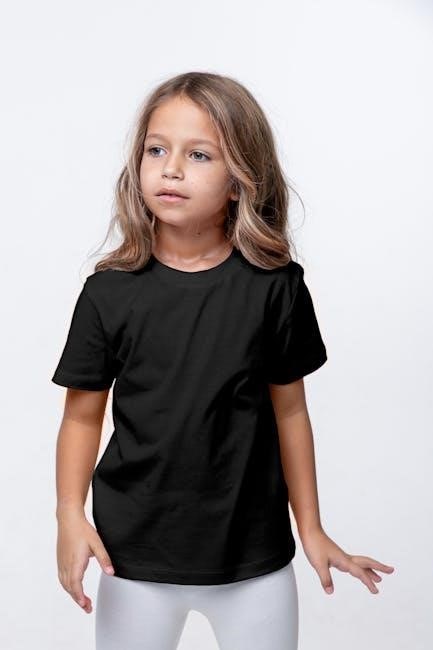
Navigating youth apparel sizing can be tricky! This guide offers detailed insights, ensuring a perfect fit for growing children, referencing chest and length measurements for accuracy.
Comparing measurements to shirts they already own is highly recommended, and choosing a larger size when uncertain is always a smart approach.
Understanding Youth Shirt Sizing
Youth shirt sizing isn’t simply a scaled-down version of adult sizes. It’s a distinct system designed to accommodate the unique proportions of children’s bodies as they grow. Unlike adult sizing, which often focuses on standardized chest measurements, youth sizing heavily incorporates age and height as primary indicators, though these are always approximate.
This is because children of the same age can vary significantly in size. Therefore, relying solely on age can be misleading. Accurate sizing requires considering a combination of factors: chest circumference, overall height, and sometimes weight. Understanding these nuances is crucial for avoiding ill-fitting garments – shirts that are too tight, too loose, or too long.
Furthermore, different brands may interpret youth sizing standards slightly differently. What constitutes a “Large” in one brand might fit differently in another. This guide will help you navigate these variations and ensure a comfortable and appropriate fit for your child, emphasizing the importance of checking specific brand charts.
Why Youth Sizes Differ from Adult Sizes
Adult and youth sizing systems diverge due to fundamental differences in body proportions. Adults have relatively stable body shapes, allowing for sizing based primarily on chest and waist measurements. Children, however, are constantly growing and their proportions are significantly different – shorter torsos, narrower shoulders, and varying growth spurts.
Youth sizes account for these developmental stages, offering a more tailored fit. Adult shirts, if worn by a child, often appear oversized and ill-fitting, hindering comfort and style. Conversely, forcing a child into an adult size can restrict movement and be uncomfortable.
Youth sizing also considers the need for growth. Parents often prefer to purchase slightly larger sizes to allow for wear over time. Adult sizing doesn’t typically factor in this “growing room;” Therefore, a dedicated youth sizing system is essential for providing appropriate and comfortable clothing for children at every stage of development.
Key Measurements for Accurate Sizing

Achieving the right fit begins with precise measurements. While age can be a general guide, it’s notoriously unreliable due to individual growth rates. The most crucial measurement is chest circumference, measured around the fullest part of the chest, keeping the tape measure level.
Length is also vital, especially for ensuring comfortable coverage. Measure from the high point of the shoulder to the desired hem length. Don’t pull the tape measure too tightly; allow for a comfortable, natural fit.
For long-sleeve shirts, sleeve length is essential. Measure from the shoulder point, down the arm, to the wrist. Accurate measurements, compared against a size chart, dramatically increase the likelihood of selecting the correct size and avoiding returns.
Chest Measurement
The chest measurement is paramount for a well-fitting youth shirt. Use a flexible measuring tape and have the child stand naturally, with arms relaxed at their sides. Position the tape measure under the arms and across the fullest part of the chest, ensuring it’s level all the way around.
Avoid pulling the tape too tightly, as this will result in an inaccurate, smaller measurement. A comfortable, but snug, fit is ideal. It’s helpful to have another person assist with this measurement to ensure accuracy.
Record the measurement in inches or centimeters. Always double the measurement, as chest sizes are typically listed as a total circumference. Compare this doubled measurement directly to the brand’s specific size chart for the most reliable results.
Height and Weight Considerations
While chest measurement is crucial, height and weight offer valuable supplementary information. Youth size charts often include height and weight ranges associated with each size, providing a broader perspective.
However, remember that children grow at different rates, and these ranges are merely averages. A child may be taller or heavier than typical for their age, necessitating a size adjustment. Don’t rely solely on age, as it’s the least accurate indicator of proper fit.
Consider a child’s build – are they slender or more robust? A more athletic build might require a slightly larger size for comfortable movement. Always prioritize the chest measurement, using height and weight as supporting factors, not primary determinants.
Sleeve Length (For Long-Sleeve Shirts)
For long-sleeve shirts, sleeve length becomes a critical factor in achieving a comfortable and functional fit. Ideally, the sleeve should extend to the wrist bone, allowing for a full range of motion without being overly long or restrictive.
Measuring sleeve length can be tricky without the shirt present. A good estimate involves measuring from the shoulder seam, across the upper arm, and down to the wrist. Add approximately half an inch to one inch for comfort and growth.
Consider the child’s arm length relative to their overall height. Children with longer arms may need to size up, even if the chest measurement falls within a specific range. Prioritize a sleeve length that doesn’t impede movement, ensuring a practical and comfortable garment.
Standard Youth Shirt Size Chart
Understanding standard youth shirt sizes is crucial for accurate online or in-store purchases. While variations exist between brands, a general guideline helps establish a baseline for expected measurements.
Sizes typically range from XS to XL, often correlated with age, but individual builds vary significantly. Chest measurement remains the primary determinant of proper fit, with height and weight serving as secondary indicators.
Below, we’ll detail typical age ranges and corresponding measurements for each size. Remember these are averages; always prioritize actual measurements over age alone. When in doubt, referencing a specific brand’s size chart is highly recommended. Choosing the larger size is advisable if a child falls between sizes, ensuring comfort and room for growth.
Size XS (Extra Small) ー Typical Age & Measurements
Size XS, or Extra Small, generally fits children aged 3-4 years old. However, this is a broad estimate, and individual children within this age range can vary considerably in size.
A typical chest measurement for a Size XS shirt falls between 20-22 inches (51-56 cm). Length, from the high point of the shoulder to the hem, usually measures around 16-18 inches (41-46 cm). It’s vital to compare these measurements to a shirt the child currently wears for the most accurate assessment.
Weight is less critical but generally corresponds to around 30-40 pounds (14-18 kg). Remember, these are averages. Prioritize chest measurement above all else. If a child is nearing the upper end of the age range or has a larger build, consider sizing up to a Small for a more comfortable fit.
Size S (Small) ー Typical Age & Measurements
Youth Size S, or Small, typically accommodates children aged 5-6 years old. As with all youth sizing, this is an approximate guideline, and individual variations are common. Always prioritize accurate measurements over age alone.
For a Size S shirt, the chest measurement generally ranges from 22-24 inches (56-61 cm). The shirt length, measured from shoulder to hem, typically falls between 18-20 inches (46-51 cm). Comparing these dimensions to a well-fitting existing shirt is crucial for optimal sizing.
Weight for this size usually falls within the 40-50 pound (18-23 kg) range. However, chest measurement remains the most reliable indicator. If a child is taller or has a broader build, or is nearing the upper age limit, opting for a Medium size might be preferable for a more comfortable and less restrictive fit.
Size M (Medium) ー Typical Age & Measurements
Youth Size M, or Medium, generally fits children aged 7-8 years old. However, remember that age is just an estimate; individual growth rates vary significantly. Accurate measurements are key to finding the perfect fit.
A typical chest measurement for a Size M youth shirt falls between 24-26 inches (61-66 cm). The shirt length, from shoulder to hem, usually measures around 20-22 inches (51-56 cm). Comparing these measurements to a shirt the child currently wears comfortably is highly recommended.
Weight for this size typically ranges from 50-60 pounds (23-27 kg). If a child is particularly tall or muscular for their age, or falls between sizes, consider sizing up to a Large for a more relaxed and comfortable fit. Prioritizing chest measurement over weight is always best practice when selecting the correct size.
Size L (Large) ー Typical Age & Measurements
Youth Size L, or Large, is commonly suited for children aged 9-10 years old. However, it’s crucial to remember that these are average guidelines, and individual children develop at different paces. Relying solely on age can lead to inaccurate sizing.
For a Size L youth shirt, the typical chest measurement ranges from 26-28 inches (66-71 cm). The shirt length, measured from the shoulder to the hem, generally falls between 22-24 inches (56-61 cm). Always compare these dimensions to a well-fitting shirt the child already owns.
Weight for this size usually falls within the 60-70 pound (27-32 kg) range. If a child is nearing the upper end of the weight range or is particularly tall, opting for an XL might provide a more comfortable fit. When in doubt, prioritizing the chest measurement and choosing the larger size is a sensible approach.
Size XL (Extra Large) ー Typical Age & Measurements
Youth Size XL, or Extra Large, generally fits children aged 10-12 years old, but as with all youth sizing, individual variation is significant. Age is a starting point, not a definitive guide. Prioritize accurate measurements for the best results.
The typical chest measurement for a Size XL youth shirt is 28-30 inches (71-76 cm). The shirt length, from shoulder to hem, usually measures between 24-26 inches (61-66 cm). Comparing these measurements to a shirt that currently fits well is highly recommended.
Weight for this size typically ranges from 70-80 pounds (32-36 kg). If a child is taller or heavier than average for their age, consider checking the brand’s specific size chart. When between sizes, selecting the larger size—in this case, XL—often ensures a more comfortable and longer-lasting fit.
Brand-to-Brand Variations in Youth Sizing
Youth shirt sizing isn’t standardized across all brands. Significant variations exist, meaning a Size M in one brand might fit differently in another. This inconsistency stems from differing cut styles, fabric types, and design philosophies each company employs.
Always consult the specific brand’s size chart before making a purchase. These charts provide the most accurate measurements for their particular garments. Look for detailed information on chest, length, and sometimes even weight or height recommendations.
Pay attention to whether a brand’s sizing runs “true to size,” “small,” or “large.” Customer reviews can offer valuable insights into how a brand’s sizing typically fits. If unsure, it’s generally safer to size up, especially when ordering online, as alterations are easier with a larger garment.
Checking Specific Brand Size Charts
Locating a brand’s size chart is crucial for accurate sizing. Most online retailers prominently display these charts on their product pages, often linked near the size selection dropdown. Look for a “Size Guide” or “Fit Guide” link.
Carefully review the chart’s measurements, comparing them to your child’s actual body measurements (chest, length). Don’t rely solely on age or typical size, as children grow at different rates. Pay close attention to the units of measurement (inches vs. centimeters).
Some brands offer printable size charts, allowing for easy comparison. Others provide interactive charts where you can input your child’s measurements to receive a size recommendation. Utilize these tools whenever available for the best possible fit.
Remember that size charts are guidelines; individual variations can still occur.

True to Size vs. Running Small/Large
Understanding how a brand’s sizing typically runs is vital. “True to size” means the garment fits as expected according to the size chart. However, many brands deviate from this standard.
“Running small” indicates the item fits smaller than the chart suggests; consider sizing up. Conversely, “running large” means it fits bigger, potentially allowing you to size down. Customer reviews are invaluable for identifying these tendencies.
Pay attention to comments regarding fit. Look for phrases like “order a size up” or “fits generously.” Shark Zen notes their t-shirts are generally true to size, but advises choosing larger if between sizes.
Consider the fabric and style. Slim-fit shirts may run smaller than relaxed-fit options. Always prioritize comfort and allow room for growth.
Tips for Measuring a Child for a Shirt
Accurate measurements are the cornerstone of successful shirt sizing. Begin by having your child stand naturally, with arms relaxed at their sides. Avoid pulling the measuring tape too tightly, but ensure it’s snug against the body.
Enlist help if possible, especially with reaching back measurements. A flexible measuring tape is essential; avoid using metal rulers. Focus on key areas: chest, height, and potentially sleeve length for long-sleeved shirts.
When measuring the chest, position the tape under the armpits and across the fullest part of the chest. Avoid common mistakes like measuring over clothing or not keeping the tape level.
Double-check all measurements before consulting a size chart. Remember, children grow quickly, so regular measurements are crucial for a consistently good fit.
Getting an Accurate Chest Measurement
The chest measurement is paramount for a well-fitting shirt. Position the measuring tape under your child’s armpits, ensuring it sits horizontally around the fullest part of their chest. This is typically across the nipples.
Maintain a relaxed posture; don’t have your child suck in their stomach or puff out their chest. The tape should be snug, but not constricting. Avoid measuring over bulky clothing – a thin t-shirt or undergarment is ideal.
Ensure the tape measure is level all the way around. Ask another person to assist for greater accuracy. Record the measurement in inches or centimeters, depending on the size chart you’re using.
Double-check the reading and repeat the measurement to confirm consistency. This single measurement significantly impacts the overall shirt fit and comfort.
Measuring While the Child is Standing
For the most accurate results, measure your child while they are standing upright. This ensures a natural posture and prevents any distortion of measurements caused by sitting or slouching.
Have them stand with their arms relaxed at their sides and their weight evenly distributed on both feet. Avoid having them actively flex their muscles, as this can alter the chest circumference.
Maintain eye contact and engage them in conversation to keep them still and cooperative during the measurement process. A calm and relaxed child will yield more precise results.
Ensure their feet are flat on the floor and their shoulders are relaxed, not hunched or pulled back. This position mimics how they would naturally wear a shirt, leading to a better fit.
Consistent posture is key for reliable sizing.
Avoiding Common Measurement Mistakes
Don’t pull the measuring tape too tightly – it should be snug but not constricting. A too-tight measurement will result in a shirt that’s too small, while a loose measurement leads to a baggy fit.
Ensure the tape measure is level all the way around the chest, typically under the arms. A tilted tape can skew the results, leading to inaccurate sizing.
Avoid measuring over bulky clothing; have your child wear a thin shirt or just undergarments for the most precise measurement. Layers add unnecessary bulk.
Double-check your measurements! It’s easy to misread the tape or make a calculation error. Repeating the process ensures accuracy.
Don’t assume sizing is consistent across brands; always consult the specific size chart for each manufacturer.
What to Do If Between Sizes
When a child’s measurements fall between two sizes, opting for the larger size is generally the best course of action. A slightly larger shirt allows for growth and provides more comfortable movement.
Consider the shirt’s intended fit: a slim-fit shirt will be more form-fitting, so sizing up is crucial. A relaxed-fit shirt offers more room, potentially making the smaller size acceptable, but still, err on the side of caution.
Think about the fabric type: some fabrics shrink after washing, so a larger size accommodates potential shrinkage. Cotton, for example, is prone to shrinking.
Check the brand’s specific guidance: some brands explicitly state their recommendations for children between sizes.
Utilize exchange policies: if unsure, order the larger size and take advantage of hassle-free exchange options if needed.
Choosing the Larger Size
Selecting the larger size when a child measures between two options is a practical approach, prioritizing comfort and accommodating future growth spurts. Children grow rapidly, and a slightly roomy shirt offers longevity.
A larger size allows for layering – essential during cooler months or for activities requiring extra warmth. It also prevents the shirt from feeling restrictive during play.
Consider potential shrinkage, especially with cotton or other natural fiber blends. Pre-washing can sometimes mitigate this, but a larger initial size provides a buffer.

It’s easier to alter a slightly larger garment than to try and add length or width to one that’s too small. Simple hemming can adjust the length if needed.
Prioritize the child’s comfort; a relaxed fit encourages freedom of movement and a positive wearing experience.
Considering the Shirt’s Fit (Slim Fit vs. Relaxed Fit)
Understanding the intended fit is crucial. “Slim fit” shirts are designed to be more form-fitting, closely following the body’s contours, and may require sizing up, especially for active children.
“Relaxed fit” shirts offer a looser, more comfortable silhouette, providing greater freedom of movement. These generally adhere more closely to standard size charts.
Check the product description carefully to determine the shirt’s intended fit. Manufacturers often specify whether a garment runs true to size, small, or large.
Consider the child’s preference. Some children prefer a snugger fit, while others prioritize comfort and ease of movement.
If choosing between sizes, opt for the larger size with a slim-fit shirt, and stick with the standard size for a relaxed fit. Always prioritize comfort and functionality.
Youth Shirt Size Guides for Different Shirt Types
Shirt type significantly impacts sizing. T-shirts generally offer more flexibility in fit, allowing for a slightly looser or snugger feel depending on preference.
Polo shirts, with their structured collars and often tailored cuts, may require more precise sizing; referencing the brand’s specific chart is vital.
Long-sleeve shirts introduce sleeve length as an additional measurement consideration. Ensure adequate sleeve coverage without excessive length, impacting comfort and functionality.
Performance or athletic shirts often utilize moisture-wicking fabrics and a closer fit for optimal performance, potentially requiring a size up for comfort.
Swim shirts, designed for water activities, typically prioritize a snug fit to minimize drag and ensure secure coverage. Always consult the brand’s size guide for these specialized garments.
T-Shirt Size Guide
T-shirts are a wardrobe staple, and finding the right fit is crucial for comfort and style. Generally, youth t-shirts are “true to size” compared to similar cuts, but variations exist.
When measuring, prioritize chest circumference and compare it to the brand’s size chart. Length is also important, ensuring adequate coverage without being overly long.
If a child falls between sizes, opting for the larger size is recommended, allowing for growth and a more comfortable fit. A slightly looser t-shirt is often preferable to one that’s too tight.
Consider the desired style: a relaxed fit offers more freedom of movement, while a slimmer fit provides a more tailored look.
Shark Zen emphasizes comparing measurements to a shirt the child currently wears for best accuracy, and offers free exchanges if the initial size is incorrect.

Polo Shirt Size Guide
Youth polo shirts often have a slightly more structured fit than t-shirts, requiring careful attention to sizing. Similar to t-shirts, comparing measurements to a well-fitting existing polo is the most reliable method.
Chest measurement remains paramount, but also consider the shoulder width, as polos can feel restrictive if too narrow. Pay attention to the length, ensuring it provides adequate coverage while allowing for comfortable movement.
If your child is between sizes, erring on the side of larger is advisable, especially for active children. A slightly looser polo allows for a full range of motion.
Brand-specific size charts are essential as fits can vary significantly. Shark Zen notes their performance polos generally run true to size.
Don’t hesitate to utilize exchange options if the initial size isn’t perfect, ensuring a comfortable and stylish polo shirt fit.
Long-Sleeve Shirt Size Guide
Sizing long-sleeve shirts for youth requires considering an additional measurement: sleeve length. While chest and length remain crucial, ensuring the sleeves aren’t too short or excessively long is vital for comfort and practicality.
Measure from the shoulder seam to the wrist with the arm slightly bent. A good fit allows for movement without exposing the wrists. Similar to other shirt types, comparing to a well-fitting existing long-sleeve shirt is highly recommended.
If a child is between sizes, opting for the larger size is generally preferable, providing room for layering and growth.
Brand variations are significant; always consult the specific brand’s size chart. Shark Zen indicates their swim shirts generally run true to size.
Utilize exchange policies to guarantee a perfect fit, ensuring warmth and comfort throughout the season.