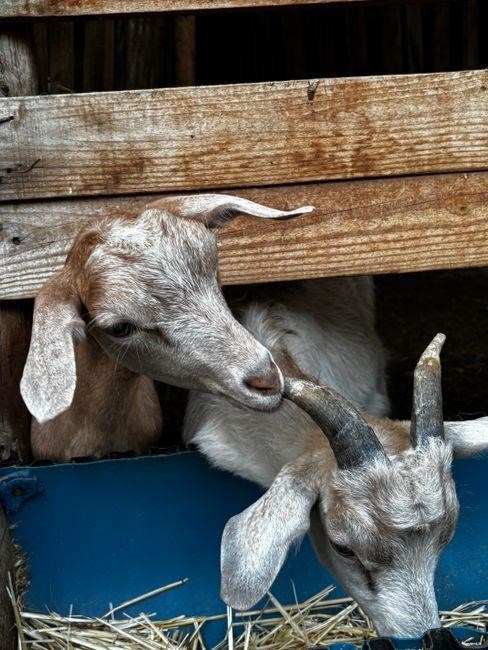
Overview of “The Billy Goats Gruff” PDF
The Billy Goats Gruff PDF offers a concise, engaging retelling of the classic tale, featuring clear text and simple layout that captures the story’s rhythm․ It provides a portable, easy‑to‑share format, ideal for quick reference or classroom use․ Its format ensures cross‑device compatibility․!!!
Content Summary
The Billy Goats Gruff PDF offers a concise retelling of the classic Norwegian folk tale, capturing the story’s core in an accessible format․ Three brothers—young, middle, and old—must cross a bridge guarded by a troll․ The youngest goat attempts the crossing, is warned, and retreats․ The middle goat follows, faces the troll, and also retreats․ The eldest goat, wiser and stronger, lures the troll onto the bridge, then overpowers it, allowing all three goats to safely reach the meadow beyond․ The narrative is clear, with each goat’s attempt building on the previous, culminating in a satisfying resolution that highlights bravery, perseverance, and cleverness․ Brief annotations point out moral lessons, encouraging reflection on courage and strategy․ This summary keeps readers—young or adult—engaged while preserving the story’s familiar charm․
Designed for quick reading, the PDF features clear paragraph breaks and occasional bolded phrases to emphasize pivotal moments․ Its compact size allows for easy download and sharing, making it ideal for both home and classroom libraries․ Teachers can annotate passages for discussion, while students can underline favorite lines․ The format supports accessibility, offering options for text scaling and contrast adjustments․ The PDF’s lightweight nature does not compromise the story’s richness; it preserves the original charm while providing modern convenience; Whether used for independent reading or integrated into lesson plans, the document encourages active engagement, critical thinking, and collaborative exploration of themes such as courage, strategy, and the value of experience․ Its seamless integration into digital platforms enhances learning flexibility and fosters creativity․
Illustrations and Design
The Billy Goats Gruff PDF showcases a vibrant visual style that complements the narrative’s playful tone․ Each page features hand‑drawn illustrations rendered in a muted color palette, balancing warmth with subtle contrast to keep young readers engaged․ The goats are depicted with expressive faces and dynamic poses, while the troll’s silhouette adds a gentle sense of danger without overwhelming the scene․ The bridge itself is drawn with simple, clean lines, allowing the focus to remain on character interaction․
Design choices prioritize readability: generous margins, a clear sans‑serif typeface, and ample line spacing reduce visual clutter․ The layout follows a predictable rhythm, with illustrations positioned to the left or right of the corresponding text, creating a natural flow that guides the reader’s eye․ This arrangement also supports dual‑language versions, as the text can be placed on the opposite side without disrupting the image placement Readers can annotate for deep insight
Interactive elements are subtly integrated: each illustration includes a small, clickable icon that, when accessed on compatible devices, reveals a short audio clip of the goat’s voice or a brief animation of the troll’s movement․ These features enhance engagement for digital readers while preserving the PDF’s lightweight nature․ The overall design respects the original story’s heritage while offering modern visual appeal, making it suitable for both classroom display and personal collections․

Legal Considerations and Copyright
Understanding the legal status of the Billy Goats Gruff PDF is essential․ The story is publicdomain, yet modern illustrations may be protected․ Verify each image’s license before distribution to avoid infringement and ensure compliance with copyright law!!!

Copyright Status
The Billy Goats Gruff narrative entered the public domain in the 19th century, allowing free use of its core text․ Modern PDF editions, however, often feature new illustrations, editorial notes, and formatting that are protected by copyright․ These added elements are typically owned by the illustrator or publisher and remain under copyright for 70 years after the creator’s death or 95 years from publication for corporate works․ Consequently, while the original story can be reproduced without restriction, any new artwork or editorial content requires permission or a license․ Many publishers release PDFs under Creative Commons licenses (e․g․, CC BY or CC BY‑SA), specifying attribution requirements and usage limits․ If a PDF lacks a clear license, it is safest to treat all added material as copyrighted․ Educators and individuals can often obtain free or low‑cost licenses for non‑commercial use, and some public‑domain repositories offer versions stripped of copyrighted illustrations․ Always verify the license status before sharing or distributing the PDF, especially in public or commercial contexts, to avoid infringement․ Respecting these legal boundaries ensures that users can enjoy the timeless tale while complying with copyright law․ Furthermore, many libraries maintain digital collections of public‑domain books that include the Billy Goats Gruff, allowing educators to access PDFs without licensing concerns․ When distributing PDFs, provide attribution to the author and illustrator, and indicate the source of the PDF to maintain transparency and respect for intellectual property rights․
Fair Use Guidelines
When using a Billy Goats Gruff PDF for teaching, research, or commentary, the U․S․ fair‑use doctrine offers a flexible framework․ Courts evaluate four factors: purpose, nature, amount, and market impact․ Non‑commercial, transformative uses—such as adding critical annotations, creating lesson plans, or translating excerpts—tend to favor fair use; The original story is public domain, so reproducing short passages is generally permissible, but new illustrations or editorial enhancements may be protected․ Using only the text, or a small excerpt, and providing clear attribution, typically satisfies the “amount” factor․ Transformative use is strongest when the PDF is repurposed to illustrate a point, support a lesson, or foster discussion, rather than merely distributing the original․ The “market” factor is mitigated if the use does not compete with the publisher’s potential sales; for instance, sharing a PDF with a class of 30 students is unlikely to affect the market for a commercial edition․ However, distributing the entire PDF, especially if it contains copyrighted images, can be problematic․ Always consider the purpose: educational, scholarly, or critique․ If the use is commercial—selling copies or using the PDF in a paid course—additional scrutiny applies․ To stay safe, limit excerpts to no more than a few lines, provide proper citations, and avoid reproducing large sections of new artwork․ When in doubt, seek permission or use public‑domain versions that exclude protected content․ These guidelines help educators balance the benefits of sharing the classic tale with respect for intellectual‑property rights․ This analysis aligns with best practices for educators, ensuring compliance while maximizing learning outcomes․ By adhering to these guidelines, teachers can confidently integrate the PDF into lesson plans, fostering critical thinking, literary appreciation, and digital literacy among students․ All rights reserved․ Thank you!
Finding Legitimate Sources for the PDF
Discover reliable outlets for the Billy Goats Gruff PDF by checking official publisher sites, reputable e‑book retailers, and library digital collections․ Verify authenticity through publisher logos, ISBN numbers, and secure download links․ Avoid unverified sites to protect copyright and data safety!!!!!!!
Official Publishers
To find a legitimate Billy Goats Gruff PDF, start with the publisher’s official site․ Classic children’s titles are often sold by major houses such as HarperCollins or Penguin Random House․ Their digital storefronts list an ISBN, a publisher logo, and a clear rights statement․ PDFs are usually offered in PDF, ePub, or Kindle formats for cross‑device use․ Some publishers provide free PDFs for schools, but only after registering with a library or school account․ Always review the terms of use; many publishers limit redistribution, so downloading from the official site ensures compliance․ If the publisher’s site lacks the PDF, the next reliable source is the authorized distributor—Amazon Kindle Direct Publishing, Apple Books, or Google Play Books—each with strict licensing and secure links․ Libraries often partner with OverDrive or Hoopla to offer temporary, legitimate downloads․ Teachers can request bulk licenses for educational use; many publishers give special pricing for institutions․ A legitimate PDF will be between 200–500 KB for a simple text book, indicating no embedded media․ Large file sizes may signal hidden content or piracy․ Keep a purchase receipt and download link for verification․ Official PDFs typically include a visible publisher watermark․ If unsure, contact publisher support for confirmation․ The PDF opens on any device with a PDF reader; many platforms let you annotate or highlight for study․ For classroom use, download one copy per student to avoid repeated downloads․ Publisher terms may restrict sharing beyond the original purchaser, so respect the license․ Official channels provide updates or errata, keeping the version accurate
Third‑Party Platforms
When the official publisher is unavailable, reputable third‑party platforms can provide a legal Billy Goats Gruff PDF․ Trusted digital bookstores such as Barnes & Noble, Kobo, and Scribd offer licensed copies that respect copyright․ These sites usually require a one‑time purchase or subscription, and they provide secure download links that expire after a short period, ensuring that the file remains protected․ Another reliable source is the public‑domain repository Project Gutenberg, which hosts older editions that have entered the public domain; however, verify the edition’s copyright status before downloading․ Educational portals like Teachers Pay Teachers sometimes sell PDF versions created by educators, but these are typically derivative works that require proper attribution․ When using a third‑party platform, always check the license agreement—many allow personal use only, while others permit classroom distribution․ Look for a clear statement of rights, such as “non‑commercial use only” or “educational license․” Some platforms offer bulk licensing options for schools, which can reduce costs and simplify compliance․ If you find a PDF on a lesser‑known site, examine the file size and metadata; a legitimate PDF will have a consistent file size and proper metadata tags․ Beware of sites that offer free downloads without a clear source; these often violate copyright and may contain malware․ Finally, keep a record of the purchase receipt and download link, as this documentation can be useful if you need to prove legitimate ownership for educational purposes․
Additionally, many academic libraries subscribe to digital collections such as JSTOR or EBSCOhost, which sometimes include children’s literature in PDF format․ These institutional subscriptions often provide free access to students and faculty, eliminating the need for individual purchases․ When accessing through a library portal, ensure that you log in with your library credentials; the PDF will be delivered via a secure, time‑limited link․ Some platforms also allow the PDF to be opened in a web viewer, which can be useful for collaborative annotation during group reading sessions․ Always verify that the platform’s privacy policy protects your personal data and that the PDF is not bundled with unwanted software․ By choosing a reputable third‑party source, you can enjoy a high‑quality, legally compliant version of Billy Goats Gruff that supports both individual and classroom use․ The PDF file size typically ranges from 200 KB to 500 KB, indicating a text‑only format suitable for quick loading on mobile devices․

Features and Benefits of the PDF Version
The PDF version of The Billy Goats Gruff offers interactive annotations, adjustable font sizes, and searchability, enhancing learning․ It supports offline reading, easy sharing, and consistent formatting across devices, making it a versatile tool for educators and readers alike․ Ideal for kids․!!
Accessibility Features
Designed for inclusive reading, the PDF incorporates a range of accessibility options that cater to diverse learning needs․ Users can adjust text size, choose high‑contrast color schemes, and toggle between serif and sans‑serif fonts to reduce visual fatigue․ The document is fully navigable via keyboard shortcuts, allowing screen‑reader users to move seamlessly between headings, paragraphs, and image captions․ Alt‑text descriptions accompany every illustration, ensuring that visual elements are interpreted accurately by assistive technologies․ Interactive bookmarks link directly to key story milestones, enabling quick jumps to the beginning of each goat’s encounter․ The file structure follows PDF/UA standards, guaranteeing compatibility with major accessibility tools such as JAWS, NVDA, and VoiceOver․ Additionally, the PDF supports text‑to‑speech integration, so educators can play the story aloud while students follow along in real time․ For learners with dyslexia, the option to apply a dyslexia‑friendly font and adjust line spacing can significantly improve readability․ Finally, the document’s metadata includes language tags and descriptive keywords, aiding search engines and library catalogs in identifying the resource for users seeking accessible literature․ These features empower teachers to tailor reading experiences, support diverse learning styles, and ensure compliance with inclusive education standards, making the PDF a resource for classrooms today․

Interactive Elements
Readers can click on each goat’s illustration to trigger a short, narrated clip that brings the character’s voice to life․ The PDF also embeds a simple quiz after the bridge scene, where students drag labels onto the correct parts of the story, reinforcing comprehension through active participation․ Interactive bookmarks link directly to the beginning of each goat’s encounter, allowing quick navigation and review․ A built‑in annotation tool lets pupils highlight key phrases and add sticky notes, fostering collaborative discussion․ The file includes a hidden glossary that appears when users hover over unfamiliar terms, providing instant definitions without leaving the page․ For auditory learners, a synchronized audio track plays the entire story while the text scrolls automatically, keeping the narrative pace consistent․ Teachers can embed a short video clip of a live‑action reenactment, giving students a visual context that complements the text․ The PDF’s interactive elements are fully compatible with major PDF readers, ensuring that all users, regardless of device, can experience the story’s dynamic features․ Students can also use the PDF’s built‑in search function to locate specific phrases, enabling quick reference during group discussions or individual study․ The interactive layer supports bookmarking favorite passages, which can be exported as a separate list for teachers to share with peers or students for collaborative projects․ Additionally, the PDF includes a glossary of key terms, which students can reference on the fly!!
How to Use the PDF for Educational Purposes
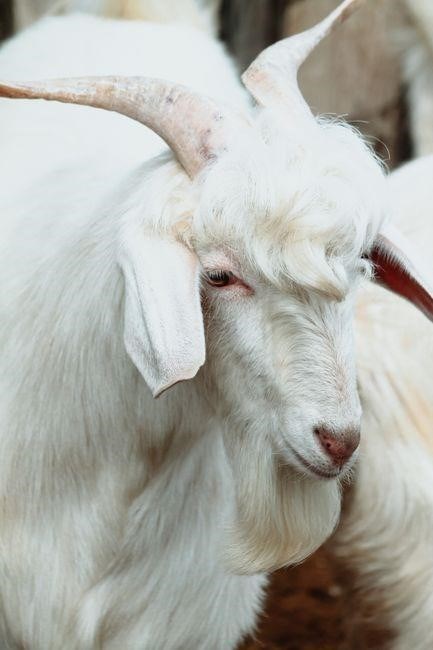
Use the Billy Goats Gruff PDF to scaffold reading skills, guiding through guided‑reading sessions․ Highlight key actions, annotate motives, and employ the embedded quiz to assess comprehension․ Integrate it with lesson plans, encouraging discussion and creative retellings․ Students can annotate․
Reading Strategies
When introducing the Billy Goats Gruff PDF to learners, begin with a pre‑read activity that asks students to predict plot points based on the title and cover illustration․ Use the PDF’s clear, bold headings to scaffold comprehension: highlight each goat’s voice, the troll’s threat, and the bridge’s danger․ Encourage students to annotate directly on the PDF using a tablet or laptop, marking key verbs and adjectives that drive the narrative․ During guided reading, pause after each stanza to discuss character motivations, using the PDF’s line breaks to cue discussion․ Employ a think‑aloud strategy, modeling how to infer intent from dialogue․ After the reading, facilitate a retelling exercise where students reorder the PDF’s scenes in a storyboard format, reinforcing sequencing skills․ Use the PDF’s built‑in quiz or create a custom assessment that asks students to identify cause‑effect relationships and predict outcomes․ For advanced readers, introduce a comparative analysis activity: contrast the PDF’s simplified language with a more elaborate retelling, noting how brevity affects tone․ Finally, integrate a creative writing prompt that asks students to write an alternate ending, encouraging them to use the PDF’s structure as a template․ Teachers can also use the PDF to practice digital literacy skills, guiding students to differentiate between primary and secondary sources while noting the PDF’s publication details․ Students can also add margin notes in the PDF, deepening their connection to the story’s core values daily!
Integrating into Curriculum
Integrating the Billy Goats Gruff PDF into curriculum can be achieved through a multi‑disciplinary approach that aligns with literacy, social studies, and creative arts standards․ Begin by embedding the PDF in a unit on folklore, allowing students to compare the Norwegian origin with local myths․ Use the PDF’s concise dialogue to teach dialogue conventions, encouraging students to annotate speaker labels and emotional cues․ Next, incorporate a reading‑comprehension scaffold: have learners identify the problem, rising action, climax, and resolution, then create a graphic organizer that mirrors the PDF’s page layout․ Transition to a writing component by assigning a retelling in their own voice, prompting them to preserve the original rhythm while adding personal details․ For language arts, challenge students to rewrite the story in a different genre—such as a horror or comedic version—using the PDF as a structural template․ In social studies, link the bridge motif to discussions on cooperation, risk, and community infrastructure․ Students can research real bridges, compare engineering challenges, and write a report that references the PDF’s narrative․ Incorporate digital literacy by having learners annotate the PDF with comments, highlighting key terms, and exporting notes to a shared document․ Additionally, teachers can integrate the PDF into digital storytelling projects, where students create audio narrations, embed images, and publish a class blog, thereby reinforcing multimodal communication skills․ The PDF format also supports accessibility features such as screen‑reader compatibility, which can be leveraged in inclusive classrooms to support students with visual impairments․ By aligning the PDF with Common Core or state standards, educators can justify its use in assessment rubrics, ensuring that the story’s themes of bravery and perseverance are explicitly linked to measurable learning outcomes․ Finally, encourage peer review sessions where students exchange annotated PDFs, provide constructive feedback, and collaboratively refine their narrative analyses, fostering a community of inquiry around the classic tale․