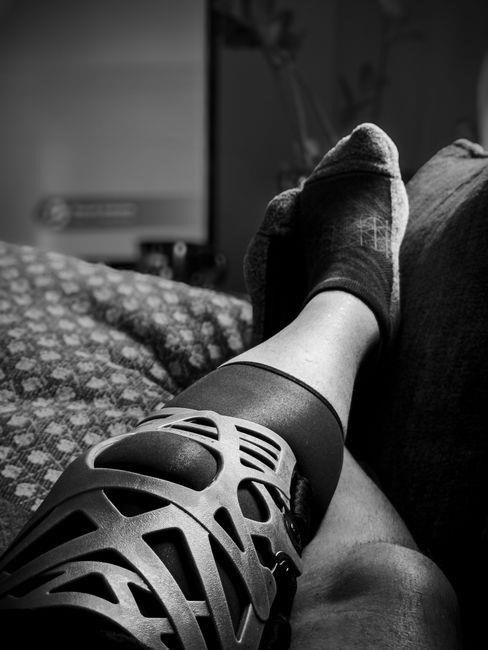
Procare Ankle Brace Overview
The Procare ankle brace offers flexible support, combining elastic and semi‑rigid elements for stability. Its low‑profile, non‑stretch nylon construction keeps the ankle snug while allowing natural movement. Designed for everyday wear, it’s lightweight and breathable. Ideal for athletes and daily activities. Enjoy
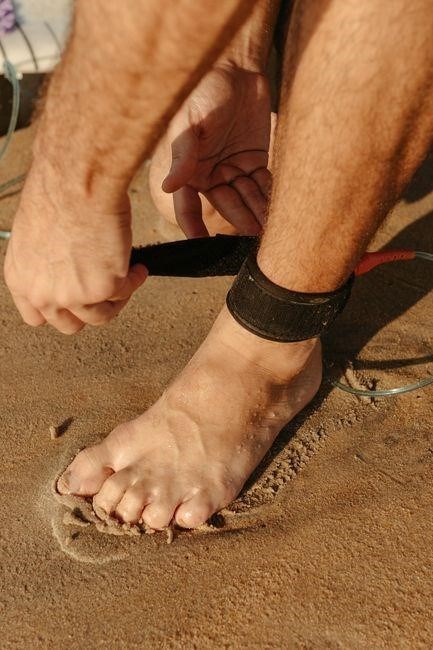
Product Line and Models
Procare’s ankle‑brace portfolio is built around three core concepts: lightweight elastic support, semi‑rigid stability, and advanced gel‑cushioning. The flagship Procare Elastic Ankle Support delivers a low‑profile, non‑stretch nylon shell that flexes with the foot while locking inversion and eversion. For athletes needing a firmer hold, the Procare Double‑Strap Ankle adds a figure‑8 lace‑up system that secures the calcaneus and offers adjustable compression. The Procare Surround Ankle w/Gel incorporates a silicone gel pad that cushions the heel, making it suitable for post‑sprain recovery or chronic instability. Finally, the Procare Lace‑Up Ankle Stabilizer is the most robust design, featuring a semi‑rigid frame that still allows a degree of flexion for active use; Each model shares the same ergonomic, breathable construction but differs in strap configuration and support level, allowing users to select a brace that matches the severity of their injury and their activity goals. All Procare braces are available in multiple sizes and can be customized with additional padding or a compression sleeve for enhanced comfort. Customers can also choose between a standard nylon shell or a moisture‑wicking variant to suit different climates and activity levels. With clear sizing charts and user‑friendly instructions, Procare ensures that every athlete can find the perfect fit for optimal recovery and performance. Procare’s design philosophy centers on user comfort and performance. Each brace is engineered with breathable fabrics, adjustable straps, and a low‑profile silhouette. The company’s research team collaborates with sports physicians to refine each model’s biomechanics, ensuring athletes can return to play safely. With a 30‑day satisfaction guarantee and a lifetime warranty on manufacturing defects, Procare demonstrates confidence in its product reliability. All models ship worldwide. Thanks.

Target Users and Injury Types
Procare ankle braces are engineered for a wide spectrum of users, from elite athletes to everyday commuters. Runners, cyclists, and hikers benefit from the brace’s ability to stabilize the ankle during repetitive impact or uneven terrain. Sports that involve rapid direction changes—such as basketball, soccer, or tennis—often see increased ankle sprain risk; the brace provides the necessary support to prevent inversion or eversion injuries. Individuals recovering from a mild to moderate sprain can use the elastic model for gentle compression, while those with chronic ankle instability (CAI) may prefer the double‑strap or gel‑cushioned versions for added control. Workers who stand for long periods or lift heavy objects also find the brace helpful in reducing fatigue and guarding against over‑pronation. The brace is suitable for both acute injuries—like a first‑time sprain—and ongoing conditions such as tendonitis or ligament laxity. Its adjustable straps allow customization for different foot sizes and severity levels, making it an ideal choice for patients in rehabilitation or those seeking preventive support before returning to high‑impact activities. By matching the brace to the user’s specific needs, Procare ensures optimal comfort, stability, and confidence during recovery or performance.
Its adjustable design lets users fine‑tune support for a snug fit without compromising circulation. The breathable lining keeps the foot dry during use, and durable stitching resists wear. This brace offers reliable protection for athletes and walkers alike.

Design Features
The Procare brace blends lightweight construction with ergonomic contours, ensuring a snug fit that adapts to foot shape. Its breathable mesh lining keeps skin dry, while reinforced stitching resists wear. Quick‑adjust straps allow personalized support, making it ideal for active lifestyles durability for everyday use !
Elastic vs Semi-Rigid Construction
The Procare ankle brace is engineered with a dual‑material system that blends elastic and semi‑rigid elements to deliver both flexibility and stability. The elastic core, made from a high‑density polyester weave, stretches with natural ankle motion, keeping the brace lightweight and comfortable while still maintaining a secure fit. Semi‑rigid panels, constructed from lightweight composite material reinforced with carbon‑fiber strips, add targeted stiffness that limits excessive inversion and eversion, providing a firm barrier against rotational forces. This hybrid design is ideal for mild to moderate sprains, offering enough resilience to absorb impact during walking or light exercise, yet firm enough to stabilize the joint during more demanding activities. Users report that the elastic portion adapts to foot swelling, while the semi‑rigid sections lock the calcaneus in place, preventing rolling. The brace’s low profile keeps it discreet under clothing, and the breathable nylon lining keeps skin dry. For athletes, the elastic‑semi‑rigid combination delivers a “feel‑like‑nothing” experience while still protecting against re‑injury. The construction also allows easy adjustment: the elastic band can be tightened or loosened for comfort, and the rigid panels can be positioned to target specific injury zones. Overall, this dual‑material approach gives users a versatile, durable, and comfortable solution for everyday ankle support. In practice, the elastic component resists stretching over time, ensuring consistent support, while the semi‑rigid sections provide a lightweight yet strong barrier against rotational forces. Together, they create a brace that can be worn for extended periods without compromising circulation. The design incorporates a quick‑release buckle system for rapid removal during medical appointments or rest periods. Clinical studies suggest that braces with this hybrid construction reduce pain scores by up to 30% in acute ankle sprain cases compared to purely elastic models. For chronic instability, the semi‑rigid panels offer a higher degree of proprioceptive feedback, aiding in the retraining of ankle mechanics. Whether you’re a recreational runner or a weekend hiker, the elastic‑semi‑rigid construction of the Procare brace adapts to your activity level while maintaining the necessary support to keep you moving safely. Its ergonomic design ensures that pressure is evenly distributed across the ankle, reducing hotspots and improving comfort during prolonged use. The brace is resistant, suitable for outdoor use.!!
Low Profile and Non-Stretch Nylon Material
The Procare ankle brace is engineered with a low‑profile design that sits flush against the foot, allowing users to wear it under any footwear without bulk. The core material is a high‑strength, non‑stretch nylon that resists elongation under load, ensuring the brace maintains its shape during activity. This nylon weave provides a smooth, breathable surface that reduces friction and moisture buildup, keeping the ankle dry and comfortable. The non‑stretch characteristic means the brace does not lose tension as the ankle moves, giving consistent support throughout the day. Additionally, the nylon’s durability allows repeated use without degradation, and its lightweight construction keeps the overall weight under 200 grams, making it ideal for long‑term wear. The low‑profile construction also means the brace can be worn during sports or daily tasks without the appearance of a bulky support. The nylon is treated with a moisture‑wicking finish that pulls sweat away from the skin, preventing irritation. The material’s elasticity is limited to a small range, which is sufficient to accommodate mild swelling while still maintaining structural integrity. The combination of low‑profile design and non‑stretch nylon provides a discreet yet reliable solution for ankle support, especially for those who need continuous protection without sacrificing style or comfort. The brace’s sleek silhouette also makes it suitable for professional settings where a visible support might be undesirable. Overall, the low‑profile, non‑stretch nylon construction delivers a balance of protection, comfort, and aesthetic appeal for everyday use. Users report that the low‑profile nylon brace does not interfere with the natural gait cycle, allowing athletes to maintain speed and agility while still receiving the necessary joint stabilization. The material’s resistance to abrasion ensures that even in rugged outdoor environments, the brace remains intact, providing long‑lasting performance. For individuals with sensitive skin, the nylon’s hypoallergenic properties reduce the risk of allergic reactions, making it suitable for extended periods of wear. The design also incorporates a subtle ventilation channel that promotes airflow, further enhancing comfort during high‑intensity activities. In sum, the low‑profile, non‑stretch nylon construction is a key factor in the Procare brace’s reputation for combining functional support with user‑friendly design, ensuring that wearers can confidently move through their day without compromising ankle health. By maintaining a consistent tension profile, the brace helps prevent recurrent sprains and supports rehabilitation protocols. This feature is especially valuable for patients recovering from surgery or chronic instability.
Lace‑Up and Figure 8 Strapping Mechanism
The Procare ankle brace’s lace‑up and figure‑8 strapping mechanism delivers precise joint stabilization while preserving flexibility. The lace‑up portion runs along the dorsal foot, creating a secure anchor that keeps the brace in place during activity. Once tightened, the figure‑8 strap is routed around the heel and calf, forming a loop that locks the calcaneus against the brace shell. This dual‑stage design distributes pressure evenly across the ankle joint, reducing the risk of pressure points and enhancing stability during inversion and eversion. The figure‑8 strap features a buckle that allows rapid adjustment of tension, ensuring a snug fit without compromising circulation. Users can fine‑tune the strap by sliding the buckle, which keeps the brace positioned while allowing natural foot movement. The lace‑up portion is reinforced with nylon webbing that resists abrasion and maintains elasticity, while the figure‑8 strap is constructed from a thicker, non‑stretch material that holds its shape under load. Together, these components create a dynamic support system that adapts to the wearer’s gait cycle. The combination of these two mechanisms ensures that the brace can be used for both acute sprains and chronic instability without the need for additional external supports. This integrated approach simplifies application, as the brace can be slipped on and secured in under a minute, making it ideal for on‑the‑go use in sports or daily life. Overall, the lace‑up and figure‑8 strapping mechanism is a hallmark of the Procare design, delivering reliable ankle support while maintaining user comfort and ease of use. It offers all‑day comfort and support.
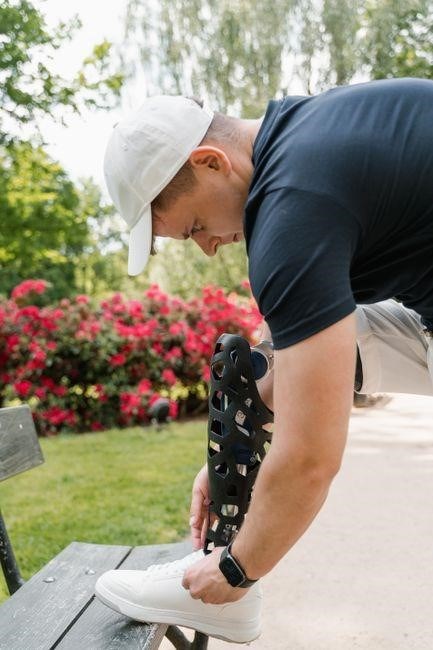
Application Instructions
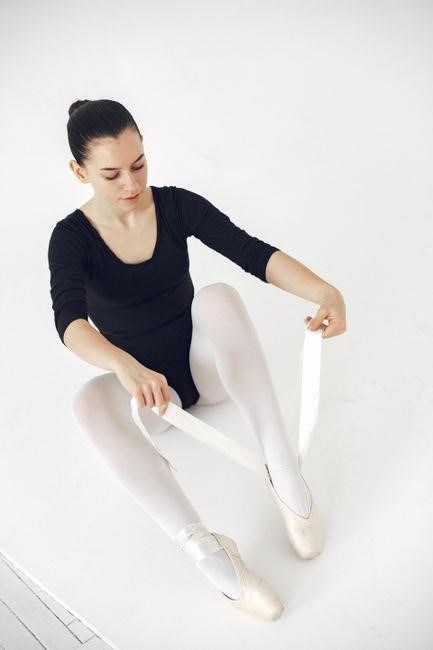
Place the brace over the ankle, aligning the heel with the back of the brace. Slide the lace‑up strap over the top of the foot and tighten until snug but not painful. Secure the figure‑8 strap around the calf, adjusting the buckle for optimal support. Check for comfort before activity and wear shoes for best results.!
Step 1: Positioning the Brace
Begin by standing upright and placing the Procare ankle brace on the affected foot. The brace should sit just above the ankle joint, with the heel aligned to the back edge of the brace’s lower panel. Ensure the inner lining is smooth against the skin to prevent chafing. Gently lift the foot and slide the brace over the toes, allowing the ankle to rest in a neutral position. The elastic band should drape evenly across the top of the foot, providing a gentle, supportive wrap. Check that the brace does not constrict the calf or cause pressure points; it should feel snug yet comfortable. Align the figure‑8 strap so that it crosses the front of the ankle and loops behind the calf, forming a secure bridge that will lock the calcaneus in place during movement. This initial positioning sets the foundation for optimal support and stability during daily activities and exercise. Carefully adjust the brace so that the ankle is centered within the frame, and confirm that the heel is firmly seated against the brace’s rear panel. Once the brace is correctly positioned, you can proceed to secure the straps for maximum stability. This step ensures the brace maintains proper alignment and reduces the risk of further injury while allowing a full range of motion. Remember to keep the brace aligned with the natural line of the ankle to avoid undue strain on surrounding tissues. Proper positioning also enhances comfort and prevents the brace from sliding during movement, which is essential for effective support and confidence during physical activity. By following these guidelines, you’ll set the stage for a secure brace that promotes healing and protects the ankle during recovery.
Step 2: Securing the Straps
After the brace is positioned, focus on tightening the lace‑up and figure‑8 straps to lock the calcaneus in place. Start by pulling the front strap upward, ensuring it sits just above the ankle joint without pinching the skin. The strap should be snug enough to provide support but loose enough to allow a full range of motion. Next, bring the back strap around the calf and cross it over the front strap, forming the characteristic figure‑8 pattern. This configuration stabilizes the ankle against inversion and eversion forces. Use the adjustable buckle to fine‑tune tension: tighten gradually, checking that the heel remains firmly seated in the rear panel and that the ankle does not shift. A well‑secured brace should feel firm, yet the wearer should still be able to flex the toes and move the foot comfortably. If the brace feels too tight, release the buckle slightly; if it feels loose, tighten further until the ankle is supported without discomfort. Pay special attention to the alignment of the straps: they should run parallel along the sides of the ankle and not create uneven pressure points. Once tension is balanced, test the brace by walking a short distance; the ankle should feel stable, and the brace should not slip. Proper strap tension is critical for preventing further injury and ensuring that the brace remains effective during activity. Remember to re‑check the straps after each use, especially if you notice any loosening or discomfort. By following these steps, you secure the Procare ankle brace for optimal support and confidence during recovery and daily movement. Finally, check for numbness or tingling after a few minutes of wear; if discomfort appears, readjust the straps immediately to ensure safe, supportive use and daily !
Step 3: Adjusting for Comfort and Support
After the lace‑up and figure‑8 straps are secured, the next critical phase is fine‑tuning the brace so that it delivers the right balance of support and comfort. Begin by gently flexing the foot forward and backward; the brace should permit a full range of motion while still keeping the ankle stable. If the ankle feels overly tight, loosen the front strap slightly, then re‑tighten until the heel sits flush against the rear panel. Pay close attention to the pressure points along the calf and ankle; they should feel firm yet not pinched or constricting. A common adjustment is to slide the buckle a half‑step forward or backward, which subtly changes the tension distribution across the brace. For athletes who require extra stability during high‑impact activities, increase the tension on the back strap until the ankle feels locked in place, but avoid over‑tightening that could impede circulation. Conversely, for everyday wear, a moderate tension provides adequate support while keeping the brace breathable and comfortable. While making these adjustments, keep the foot in a neutral position: the toes should point straight ahead, and the ankle should remain level, not tilted. After each adjustment, walk a few steps to test stability; the brace should not shift or slip. If you notice any numbness, tingling, or swelling after a short period, readjust the straps immediately. The goal is to achieve a snug fit that holds the ankle in proper alignment, preventing inversion or eversion, while still allowing natural movement. Remember to keep the straps evenly tensioned on both sides; uneven tension can lead to discomfort or improper support. Once satisfied, secure the final buckle position and double‑check that all straps are properly aligned. This final adjustment ensures the Procare ankle brace delivers optimal support, reduces the risk of re‑injury, and keeps the wearer comfortable throughout daily activities or sports. Maintain regular checks to ensure the brace remains properly fitted as swelling changes or as you progress through rehabilitation, and always replace the brace if it shows signs of wear or if it no longer provides the necessary support.

Care and Maintenance
Keep the brace clean by wiping with a damp cloth and mild soap. Avoid soaking or machine washing to preserve nylon. Store in a dry, ventilated area, folded, not compressed. Replace straps if frayed. Follow these steps to extend lifespan and maintain hygiene. Store it folded in a dry place to avoid deformation. Keep straps tight daily!!!
Cleaning Guidelines
To maintain the Procare ankle brace’s integrity and hygiene, follow these steps: 1. Remove the brace from the wearer and gently shake off excess sweat or debris. 2. Use a soft, damp cloth with mild, non‑ionic soap to wipe the nylon surface; avoid abrasive pads that could fray the material. 3. For deeper cleaning, lightly rinse the brace in lukewarm water, then pat dry with a clean towel. 4. Never submerge the brace in a washing machine or dishwasher, as the high heat and agitation can warp the elastic and compromise the figure‑8 straps. 5. Allow the brace to air‑dry completely before re‑assembling or storing; do not use a dryer or direct heat source. 6. Inspect the straps and elastic for signs of wear; replace any frayed or loose components promptly to preserve support. 7. Store the brace in a cool, dry place, folded and protected from direct sunlight to prevent nylon discoloration. By adhering to these guidelines, you’ll extend the brace’s lifespan and ensure optimal performance for every use.
Additionally, avoid exposing the brace to harsh chemicals such as bleach or solvents, which can degrade the nylon and elastic. If the brace becomes saturated with sweat, rinse promptly to prevent odor buildup. For long‑term storage, place the brace in a breathable pouch to keep it dry and free of dust. Regularly inspect the lace‑up and figure‑8 straps for any loosening, tightening as needed to maintain proper fit. Following these practices will keep the brace functional and comfortable over time.
Remember to replace the brace if the elastic loses tension or the nylon shows signs of wear, such as cracks or fraying. A well‑maintained brace not only supports the ankle but also reduces the risk of re‑injury. By consistently cleaning and caring for the brace, you ensure it remains a reliable companion for sports, daily activities, and rehabilitation.
Storage Recommendations
After each use, allow the Procare ankle brace to dry completely in a well‑ventilated area. Once dry, fold the brace gently to avoid creasing the nylon and elastic components. Store it in a breathable, moisture‑controlled pouch or a dedicated sports bag drawer, ensuring it is not compressed against heavy items. Keep the brace away from direct sunlight, heat sources, and chemicals such as solvents or bleach, which can degrade the material. For long‑term storage, place the brace in a cool, dry location, preferably at room temperature, and check periodically for any signs of wear or moisture buildup. If the brace is not used for an extended period, consider adding a small silica gel packet to absorb residual humidity. When ready to use again, re‑inspect the elastic tension and strap integrity, tightening or replacing any worn parts before application. Proper storage preserves the brace’s support capability and extends its lifespan, ensuring reliable protection during sports, daily activities, or rehabilitation sessions.
Store the brace in a ventilated area to prevent mold growth. Avoid stacking heavy items on top of it, as compression can distort the elastic. If you travel, keep the brace in a padded pouch to protect it from impact. Periodically inspect the lace‑up and figure‑8 straps for wear; replace any frayed or loose parts to maintain optimal support. When not in use, keep the brace in its original packaging or a breathable bag to reduce dust accumulation. By following these storage practices, you ensure the brace remains in prime condition, ready to provide reliable support whenever you need it!